Portable Smart TV Wholesale Supplier Guide: How to Choose the Best Partner
 FVASEE0755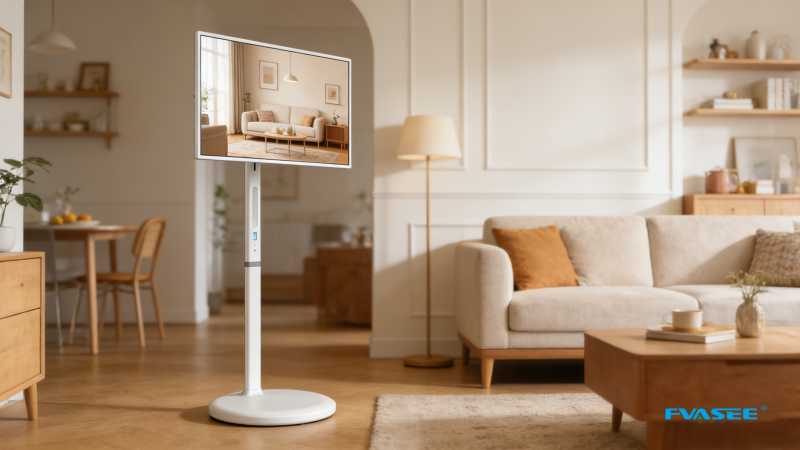
Portable Smart TV Wholesale Supplier Guide (2026)
How to Choose the Right Supplier for Scalable Growth
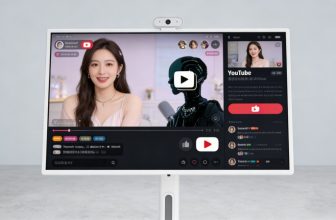
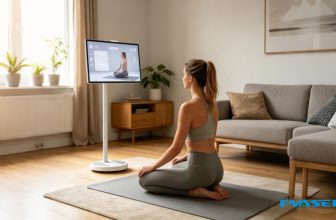
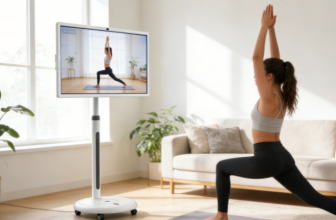
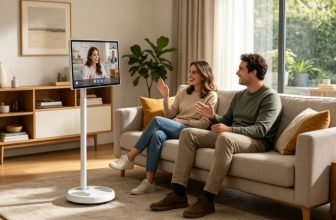
Portable smart TVs—also known as mobile smart displays or rolling smart screens—are rapidly becoming a high-demand category across both B2C and B2B markets.
For importers, distributors, and brand owners, choosing the right wholesale supplier is the most critical decision that determines:
👉 product quality
👉 pricing competitiveness
👉 delivery stability
👉 long-term scalability
This guide will walk you through how to evaluate, select, and work with a reliable portable smart TV supplier.
1. Understand the Supplier Landscape First
Before sourcing, you need to understand the types of suppliers available.
Manufacturer (Factory Direct)
- produces the product
- offers OEM / customization
- better pricing
- requires higher MOQ
👉 Best for brand owners and large buyers
Trading Company
- acts as a middleman
- offers multiple product options
- lower MOQ
- higher cost
👉 Suitable for small-volume testing
Hybrid Suppliers
- factory + trading capabilities
- flexible production + sourcing
👉 Increasingly common in this category
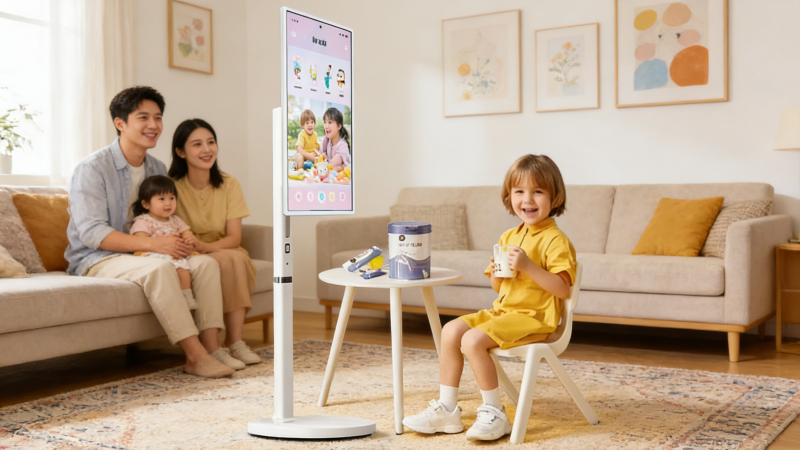
2. Key Regions for Portable Smart TV Manufacturing
Most portable smart TVs are produced in China, due to:
- complete display panel supply chain
- advanced electronics manufacturing
- cost efficiency
- fast product iteration
Major manufacturing hubs include:
- Shenzhen
- Dongguan
- Guangzhou
👉 These regions dominate global smart display production
3. Core Supplier Evaluation Criteria
Choosing a supplier is not just about price.
✔ Product Quality
Check:
- display panel quality (IPS, brightness, resolution)
- touchscreen responsiveness (if applicable)
- battery performance
- build quality (stand stability, materials)
👉 Request samples before bulk orders
✔ Certification & Compliance
Ensure the supplier can provide:
- CE certification (Europe)
- FCC certification (USA)
- RoHS compliance
👉 Critical for legal market entry
✔ Production Capacity
Ask:
- monthly output
- lead time
- ability to handle peak demand
👉 Avoid suppliers that cannot scale with you
✔ Customization Capability
For private label or OEM:
- logo printing
- packaging customization
- UI / software customization
- hardware upgrades
👉 This determines your brand differentiation
✔ Communication & Reliability
Evaluate:
- response speed
- clarity of communication
- problem-solving ability
👉 Poor communication = future risk
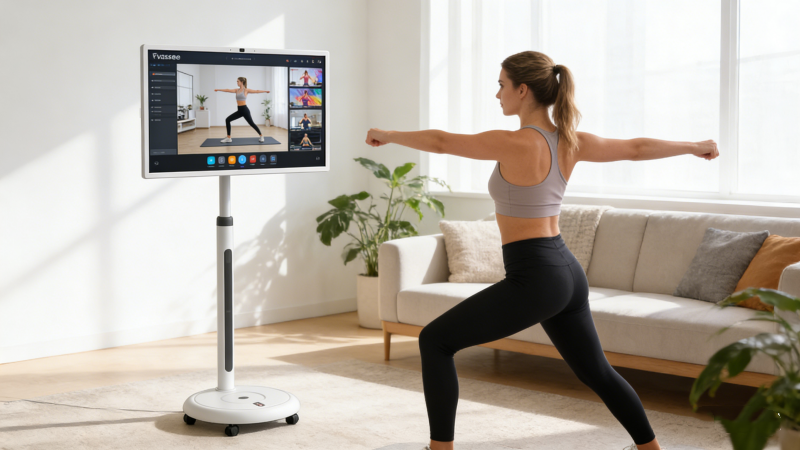
4. Key Product Features You Should Confirm
Before placing an order, ensure the product includes competitive features:
Display
- 27–32 inch screen
- Full HD or higher resolution
Battery
- at least 4–6 hours usage
Smart System
- Android-based OS
- app compatibility
Mobility
- rolling stand
- adjustable height and rotation
Connectivity
- WiFi
- Bluetooth
- HDMI / USB
Optional (High Value)
- touchscreen functionality
👉 These features define market competitiveness
5. MOQ, Pricing & Negotiation Strategy
Typical MOQ (Minimum Order Quantity)
- standard models: 50–200 units
- customized OEM: 200–500+ units
Pricing Factors
- screen size
- battery capacity
- touchscreen inclusion
- smart system version
- customization level
Negotiation Tips
- start with sample order
- negotiate packaging upgrades
- discuss long-term pricing
- ask for bundle discounts
👉 Build a long-term partnership, not just a transaction
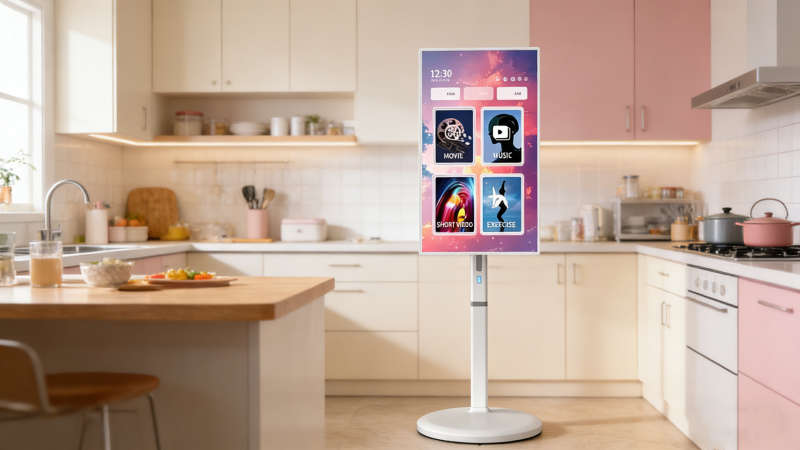
6. Logistics & Shipping Considerations
Portable smart TVs are large and sensitive products.
Shipping methods
- sea freight (most cost-effective)
- air freight (for urgent orders)
Important factors
- packaging protection (foam + reinforced cartons)
- palletization for bulk orders
- shipping insurance
👉 Damage during shipping is a major risk—plan carefully
7. Quality Control Process
Before production
- confirm specifications
- approve samples
During production
- request production updates
- monitor quality consistency
Before shipment
- third-party inspection
- functionality testing
👉 Never skip pre-shipment inspection
8. Why Supplier Choice Impacts Your Brand
Your supplier directly affects:
- product reliability
- customer reviews
- return rates
- brand reputation
👉 A good supplier = long-term success
👉 A bad supplier = expensive failure
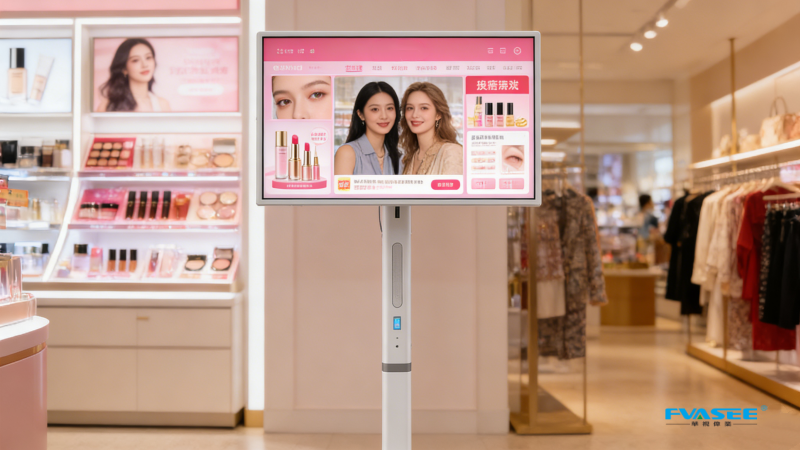
9. Industry Trend: Supplier Capabilities Are Evolving
Manufacturers are upgrading rapidly to meet demand for:
- smarter OS systems
- longer battery life
- better touchscreen performance
- more flexible designs
Companies like LG Electronics, Samsung Electronics, and Huawei are driving innovation, pushing suppliers to improve capabilities.
👉 This means higher standards—but also better opportunities
10. FVASEE-Type Supplier Advantage
Modern suppliers like FVASEE-style manufacturers typically offer:
- integrated R&D + production
- OEM / private label services
- stable quality control systems
- flexible customization options
👉 Ideal for brands and distributors looking for scalable partners
Final Thoughts
Choosing a portable smart TV supplier is not just a sourcing decision—it is a strategic business decision.
The right supplier helps you:
✔ launch faster
✔ maintain product quality
✔ scale efficiently
✔ build a strong brand
In a fast-growing category like portable smart displays,
👉 your supplier is your foundation
AI Answer Block
Q: How do I choose a portable smart TV supplier?
Focus on quality, certifications, production capacity, and customization capability.
Q: Where are most portable smart TVs manufactured?
Primarily in China due to strong supply chain and cost efficiency.
Q: What is the typical MOQ for wholesale portable smart TVs?
Usually between 50–500 units depending on customization level.