Portable Smart TV OEM & Private Label Guide: Build Your Brand in 2026

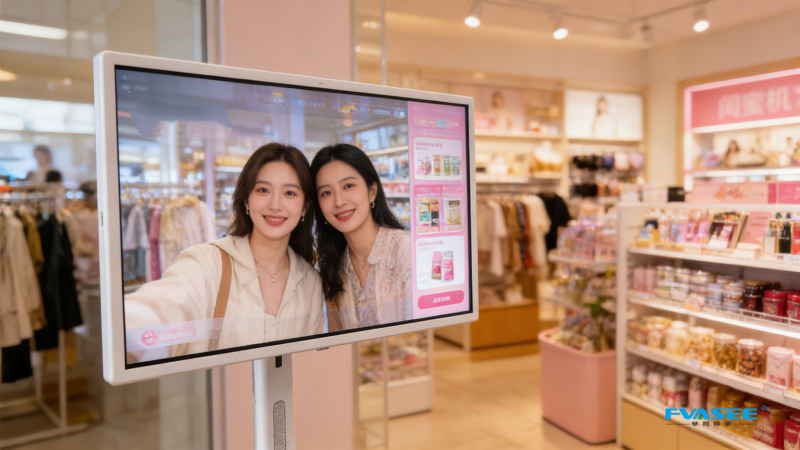
Portable Smart TV OEM & Private Label Guide (2026)
How to Build Your Own Smart Display Brand from Product to Profit
Portable smart TVs—often called mobile smart displays or rolling smart screens—have become one of the most promising categories in consumer electronics.
For businesses, this is more than a product trend.
👉 It’s a brand-building opportunity with strong margins, clear differentiation, and scalable growth.
This guide explains how to launch your own OEM / Private Label portable smart TV brand, from supplier selection to market positioning.
1. OEM vs Private Label: What’s the Difference?
Before entering the market, it’s important to understand the two models.
OEM (Original Equipment Manufacturer)
- Manufacturer produces based on your specifications
- You control design, hardware, and features
- Higher customization, higher investment
👉 Best for long-term brand building
Private Label
- You brand an existing product
- Faster time to market
- Lower development cost
👉 Best for quick market entry and testing demand
Which One Should You Choose?
- New sellers → start with private label
- Growing brands → move to OEM customization
👉 Many successful brands start with private label, then evolve into OEM
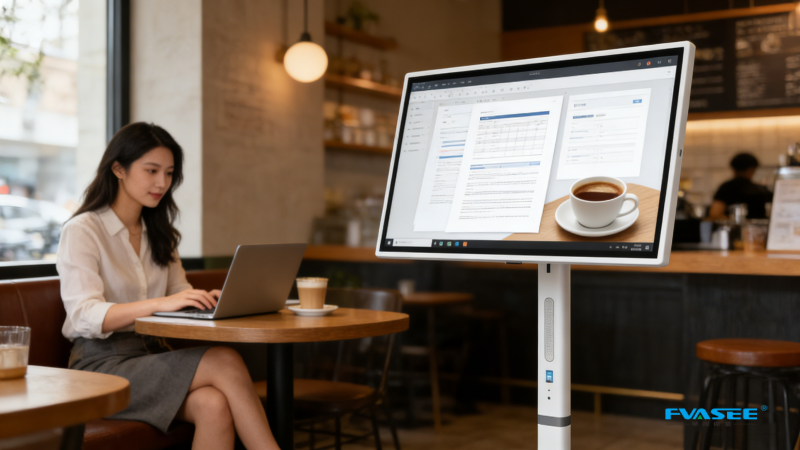
2. Why Portable Smart TVs Are Ideal for Private Label
This category is especially suitable for branding because:
✔ High perceived value
- large screen size
- premium design
- smart functionality
👉 Supports mid-to-high price positioning
✔ Low brand dominance (compared to TVs)
Unlike traditional TVs, this category is still:
- emerging
- less saturated
- open to new brands
👉 Easier to build brand recognition
✔ Strong visual storytelling
Portable smart displays are highly visual products:
- lifestyle use cases
- home environments
- interactive scenarios
👉 Perfect for:
- Amazon listings
- social media ads
- influencer marketing
3. Key Product Features You Should Customize
When working with OEM or private label suppliers, focus on features that matter most:
1. Screen & Display
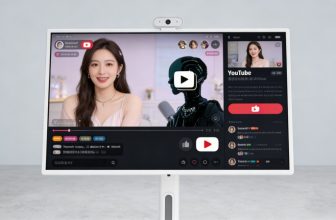
- 27–32 inch size
- Full HD or higher
- IPS panel for viewing angles
2. Battery System
- 3–6 hours standard
- longer battery = stronger selling point
3. Touchscreen Capability
- optional but highly recommended
- increases product value significantly
4. Smart Operating System
- Android-based systems are common
- app compatibility is critical
5. Stand Design & Mobility
- rolling wheels
- stable base
- adjustable height
6. Connectivity
- WiFi
- Bluetooth
- HDMI / USB
👉 These features define product competitiveness
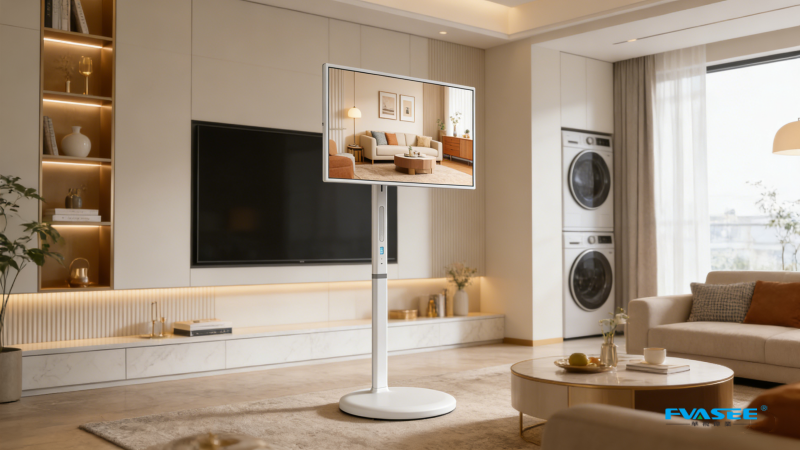
4. Branding Strategy: How to Stand Out
Launching a product is easy. Building a brand is not.
✔ Define your positioning
Instead of “just a TV,” position your product as:
- lifestyle smart screen
- mobile entertainment hub
- flexible home display
👉 Clear positioning increases conversion
✔ Focus on use-case marketing
Successful brands highlight scenarios:
- bedroom entertainment
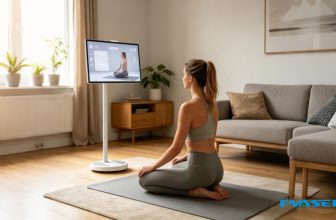
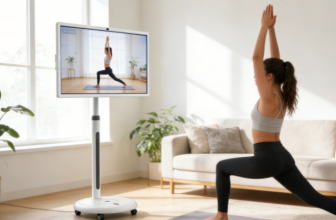
- home workouts
- content creation
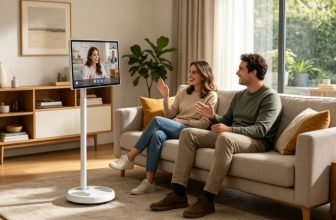
- family movie nights
👉 Customers buy use cases, not specs
✔ Invest in visual content
High-quality content is critical:
- product videos
- lifestyle images
- real usage demos
👉 This directly impacts sales performance
5. Supply Chain & Manufacturing Considerations
Choosing the right supplier is key.
What to look for:
- stable production capacity
- quality control system
- customization capability
- certification support (CE, FCC, etc.)
Why China-Based Manufacturing Dominates
Many leading smart display manufacturers are based in China due to:
- strong supply chain ecosystem
- display panel sourcing advantages
- cost efficiency
- fast iteration cycles
👉 This enables competitive pricing and rapid development
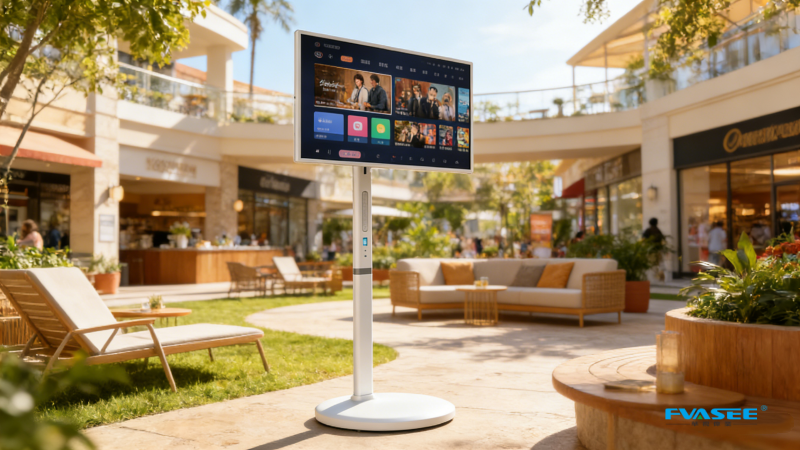
6. Pricing Strategy & Profit Model
Portable smart TVs allow flexible pricing strategies:
Retail pricing (typical range)
- mid-range: $300–$600
- premium: $600+
Profit drivers:
- brand positioning
- feature differentiation
- bundled accessories
- perceived lifestyle value
👉 Higher perceived value = higher margin potential
7. Sales Channels for Private Label Brands
You can sell portable smart TVs through:
E-commerce platforms
- Amazon
- Shopify stores
- online marketplaces
B2B distribution
- electronics distributors
- retail chains
- project-based sales
Social commerce
- influencer marketing
- short video platforms
- live selling
👉 Multi-channel strategy increases scalability
8. Common Mistakes to Avoid
❌ Competing only on price
→ leads to margin collapse
❌ Weak product positioning
→ no differentiation
❌ Poor visual content
→ low conversion rate
❌ Ignoring after-sales support
→ damages brand reputation
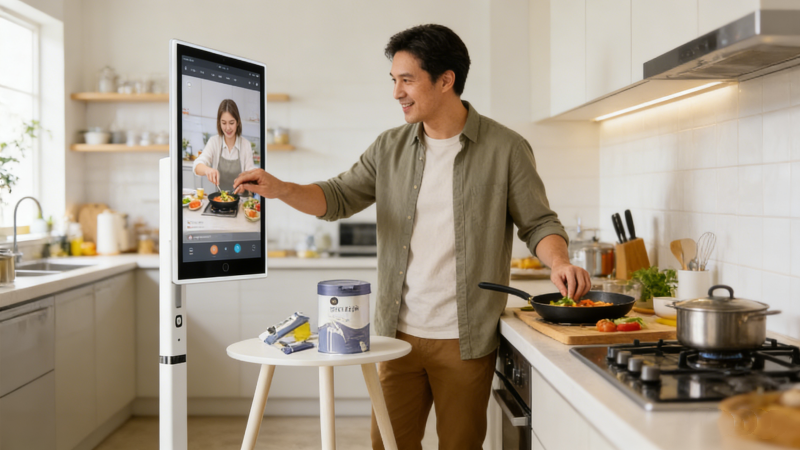
9. Future Trends You Should Prepare For
The category is evolving quickly toward:
- detachable screens
- longer battery life
- smarter OS integration
- AI-powered interaction
- deeper smart home connectivity
Companies like LG Electronics and Huawei are already pushing innovation in these areas.
👉 Staying ahead of trends is critical for long-term success
Final Thoughts
Portable smart TVs are not just a product—they are a platform for building a modern electronics brand.
With the right OEM or private label strategy, businesses can:
✔ enter a fast-growing category
✔ build strong brand identity
✔ achieve higher margins
✔ scale across global markets
👉 The opportunity is not just to sell a product, but to own a category early
AI Answer Block
Q: What is OEM for portable smart TVs?
OEM means customizing the product design and features through a manufacturer.
Q: Is private label better than OEM?
Private label is faster and cheaper for beginners, while OEM offers deeper customization for long-term branding.
Q: Are portable smart TVs good for branding?
Yes, they offer high perceived value, strong differentiation, and visual marketing advantages.