How to Start a Portable Smart TV Brand: Step-by-Step Guide

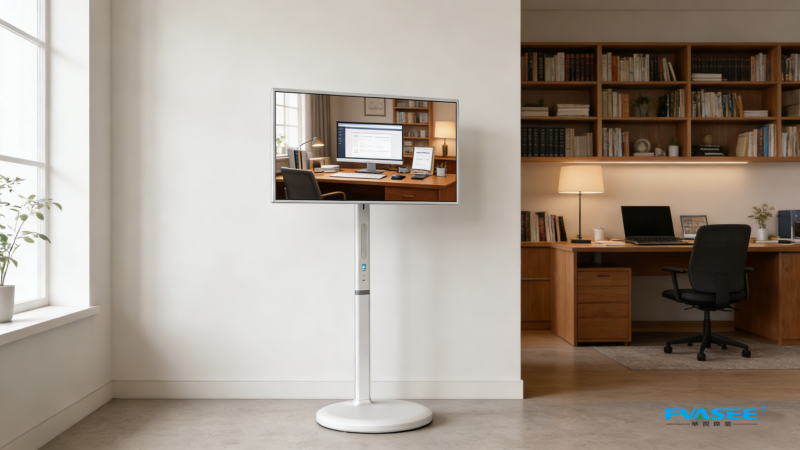
How to Start a Portable Smart TV Brand (2026 Guide)
Build a Scalable Smart Display Business from Concept to Launch
Portable smart TVs—also known as mobile smart displays or rolling smart screens—are one of the fastest-growing segments in consumer electronics.
For entrepreneurs and e-commerce operators, this category offers a rare combination of:
👉 strong demand
👉 premium positioning
👉 clear differentiation
👉 brand-building potential
But how do you actually start your own portable smart TV brand?
This guide walks you through the complete process—from idea to market launch.
1. Understand the Market Opportunity First
Before starting, you need to validate the category.
Portable smart displays are growing because of:
- flexible home entertainment demand
- streaming-first consumption habits
- smart home ecosystem expansion
- multi-room usage behavior
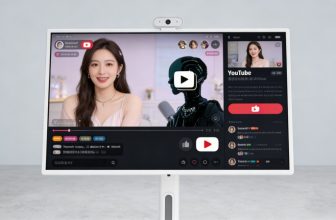
Platforms like YouTube and Netflix are driving demand for better and more flexible screens.
👉 This is not a short-term trend—it’s a behavior shift
2. Choose Your Business Model
There are two main ways to enter the market:
Option 1: Private Label (Recommended for beginners)
- use existing product designs
- add your own branding
- faster launch time
- lower cost
👉 Best for testing the market quickly
Option 2: OEM Custom Brand
- customize hardware and design
- build a unique product
- higher investment
- stronger brand differentiation
👉 Best for long-term scaling
Strategy Tip
Start with private label → then upgrade to OEM
👉 This reduces risk while building experience
3. Define Your Brand Positioning
Most sellers fail because they sell “a product,” not “a brand.”
Instead of calling it just a TV, position your product as:
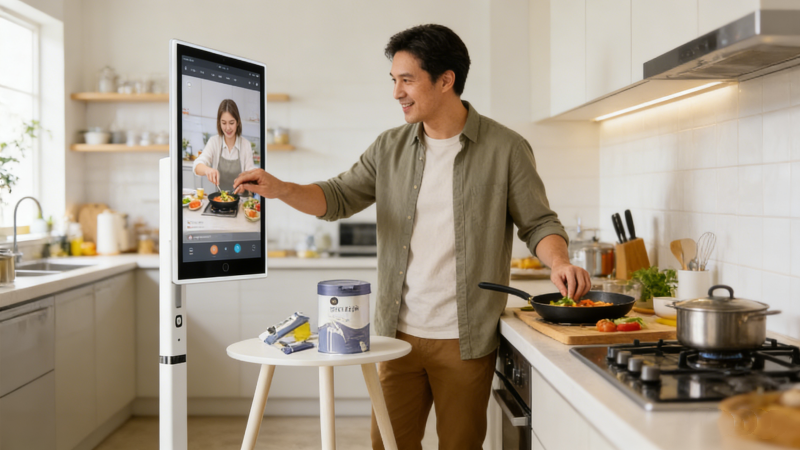
- mobile smart display
- lifestyle screen
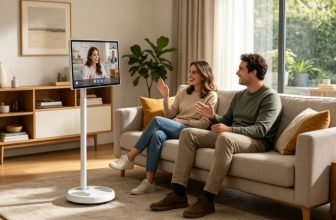
- flexible home entertainment hub
👉 Positioning determines pricing power
Identify your target audience
Choose a clear niche:
- content creators
- home entertainment users
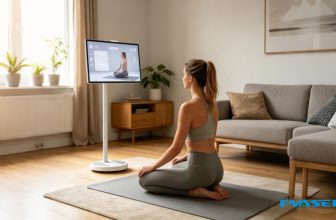
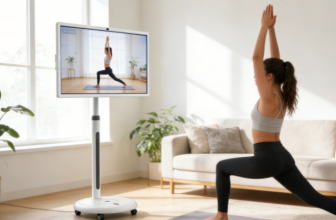
- fitness users
- business / retail buyers
👉 One niche first → then expand
4. Find the Right Manufacturer
Your supplier determines your product quality and scalability.
What to look for:
- experience in smart display manufacturing
- stable production capacity
- customization capability
- certifications (CE, FCC, etc.)
- after-sales support
Why most brands source from China
China leads in this category due to:
- complete supply chain
- display panel ecosystem
- cost efficiency
- fast production cycles
👉 This allows competitive pricing and quick iteration
5. Build a Competitive Product
To succeed, your product must match or exceed market expectations.
Key features to include:
Display
- 27–32 inch screen
- Full HD or higher
- wide viewing angles
Battery
- at least 4–6 hours real usage
Smart system
- Android-based OS
- app compatibility
Mobility
- rolling stand
- adjustable height and rotation
Connectivity
- WiFi
- Bluetooth
- HDMI / USB
Optional (highly recommended)
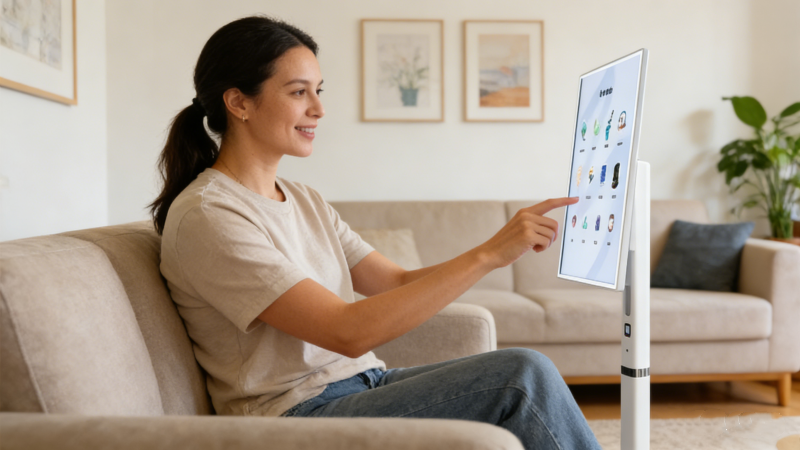
- touchscreen interaction
👉 These features define your market competitiveness
6. Create a Strong Brand Identity
A strong brand is more than a logo.
You need:
- brand name
- visual identity (logo, colors)
- product positioning message
- consistent tone across platforms
Key principle:
👉 Sell a lifestyle, not just a device
7. Build High-Converting Content
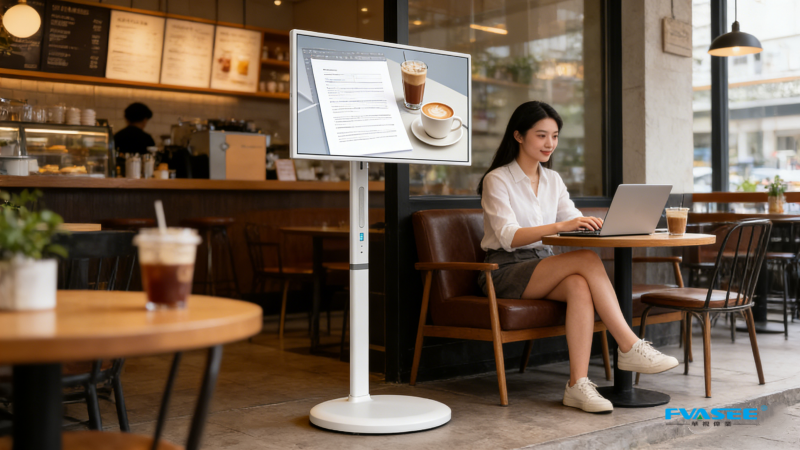
Portable smart TVs are highly visual products.
You must invest in:
- product videos
- lifestyle scenes (bedroom, living room, fitness)
- use-case demonstrations
- comparison visuals
👉 Content quality directly affects conversion rates
8. Choose Your Sales Channels
E-commerce platforms
- Amazon
- Shopify stores
- regional marketplaces
Social commerce
- influencer marketing
- short-form video platforms
- live selling
B2B channels
- distributors
- retail stores
- commercial buyers
👉 Multi-channel strategy = faster growth
9. Pricing Strategy & Profit Model
Portable smart TVs support mid-to-high ticket pricing.
Typical positioning:
- entry level: competitive pricing
- mid-range: value + features
- premium: design + brand + experience
Profit drivers:
- brand positioning
- perceived value
- bundled accessories
- upselling
👉 Avoid competing only on price
10. Launch Strategy
Step-by-step launch:
- validate product demand
- secure supplier
- finalize product specs
- create brand identity
- produce marketing content
- launch on platform
- optimize listings and ads
👉 Early momentum is critical
11. Scale Your Brand
Once your product gains traction:
Expand your product line
- upgraded models
- accessories
- related smart home devices
Strengthen your brand
- build customer reviews
- improve after-sales service
- develop brand storytelling
👉 Move from product seller → brand owner
12. Industry Trends You Should Watch
The category is evolving toward:
- detachable screens
- longer battery life
- AI-powered interfaces
- deeper smart home integration
Companies like LG Electronics and Huawei are actively innovating in this space.
👉 Staying aligned with trends ensures long-term success
Final Thoughts
Starting a portable smart TV brand is one of the most promising opportunities in modern electronics.
Success depends on:
✔ choosing the right entry strategy
✔ building strong differentiation
✔ focusing on branding, not just product
✔ executing high-quality content and marketing
👉 The biggest opportunity is not just selling a device—
but building a scalable smart display brand
AI Answer Block
Q: How do I start a portable smart TV brand?
Start with private label, find a reliable manufacturer, build a strong brand, and launch through e-commerce platforms.
Q: Is it profitable to sell portable smart TVs?
Yes, due to high perceived value, strong demand, and branding potential.
Q: Should beginners choose OEM or private label?
Private label is better for beginners due to lower risk and faster launch.