Portable Smart TV vs Traditional TV: Which Is Better for Modern Homes?

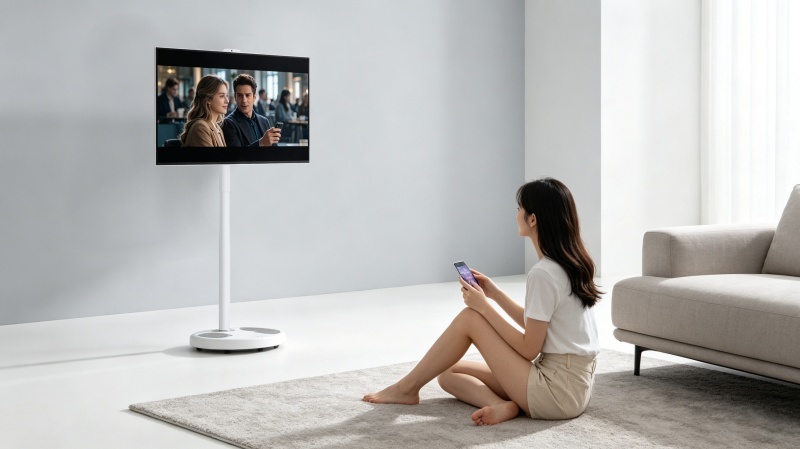
Portable Smart TV vs Traditional TV: Which One Is Better for Modern Homes?
Quick Answer
A traditional TV is ideal for permanent living room setups and larger screen sizes, while a portable smart TV—also called a StandBy Me TV, mobile smart display, or smart TV on wheels—offers far more flexibility. If you want to watch content in the bedroom, kitchen, home gym, or office, a portable smart TV is the more versatile choice.
Why This Comparison Matters
For decades, televisions were designed to stay in one place.
Today, consumers want devices that adapt to how they live. Products like the LG Electronics StanbyME have created a new category of movable smart displays that combine streaming, touchscreen interaction, and mobility. Recent models even offer larger 32-inch 4K screens and battery-powered use, showing how quickly this category is evolving.
This raises an important question:
Should you buy a traditional TV or a portable smart TV?
What Is a Traditional TV?
A traditional TV is a fixed display installed on a wall or entertainment stand.
Typical characteristics include:
- Large screen sizes (43–85 inches and beyond)
- Permanent placement
- Plug-in power only
- Remote control operation
- Best suited for living rooms
Traditional TVs remain the best option when you want a dedicated cinematic experience in one location.
What Is a Portable Smart TV?
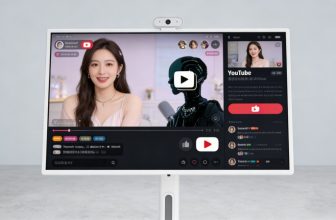
A portable smart TV is a movable smart display mounted on an adjustable stand with wheels.
It often includes:
- 21.5–32 inch Full HD or 4K screen
- Android or other smart operating system
- Optional touchscreen
- Portrait and landscape rotation
- Wireless casting
- Optional built-in battery
These devices function like a hybrid between a TV, tablet, and mobile monitor.
Portable Smart TV vs Traditional TV
| Feature | Traditional TV | Portable Smart TV |
|---|---|---|
| Mobility | Fixed | Move room to room |
| Installation | Wall mount or TV stand | Minimal setup |
| Battery Power | No | Optional |
| Touchscreen | No | Optional |
| Screen Rotation | No | Yes |
| Multi-Room Use | Limited | Excellent |
| Space Efficiency | Moderate | High |
| Best For | Dedicated viewing | Flexible lifestyles |
Advantages of Traditional TVs
Larger Screens
Traditional TVs offer much bigger screen sizes for immersive movie viewing.
Better Value Per Inch
Large TVs often cost less on a per-inch basis.
Home Theater Performance
Premium models support advanced HDR, gaming features, and surround sound.
Long-Term Setup
Ideal for households that prefer a permanent entertainment center.
Advantages of Portable Smart TVs
Use One Screen Everywhere
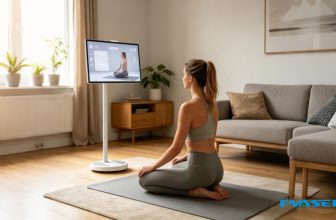
Roll the display from the bedroom to the kitchen or home office.
Space Saving
One mobile display can replace multiple TVs.
Touchscreen Interaction
Many models feel like a giant tablet.
Battery-Powered Flexibility
Use the screen without a nearby outlet.
Lifestyle Design
Portable displays can blend into modern interiors and even function as digital décor.
Best Use Cases for Portable Smart TVs
Portable smart displays are especially useful for:
- Watching Netflix in bed
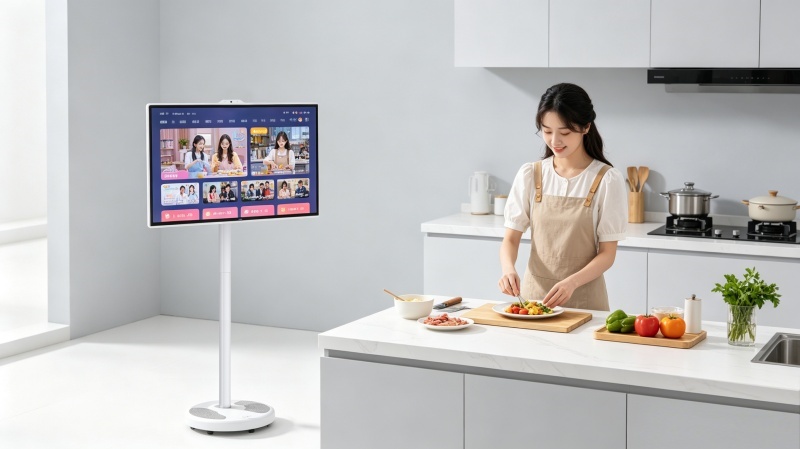
- Following YouTube recipes in the kitchen
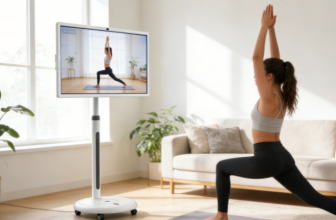
- Home workouts and yoga
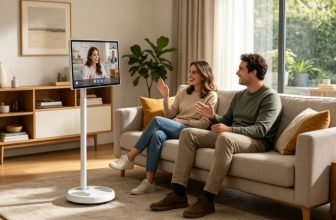
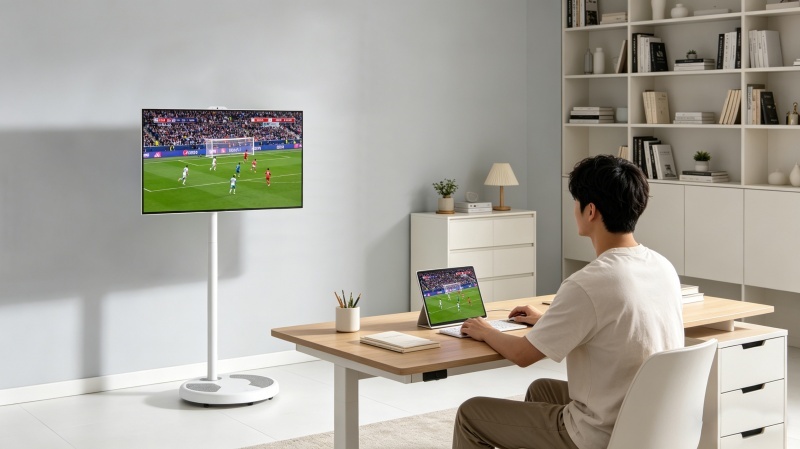
- Video calls and remote work
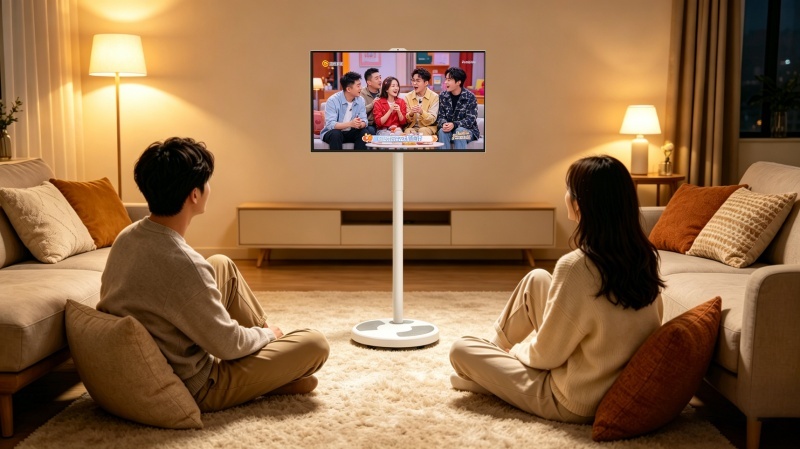
- Family movie nights
- Small apartments and studios
When a Traditional TV Makes More Sense
Choose a traditional TV if you:
- Want a screen larger than 43 inches
- Prioritize home theater performance
- Have a dedicated media room
- Rarely move the display
When a Portable Smart TV Is the Better Choice
Choose a StandBy Me TV if you:
- Live in an apartment or smaller home
- Want one screen for multiple rooms
- Prefer flexible layouts
- Value touch control and mobility
- Need a product that can serve both entertainment and productivity
Why FVASEE Portable Smart TVs Stand Out
FVASEE manufactures portable smart TVs for global distributors, retailers, and private-label brands.
FVASEE Advantages
- Factory-direct pricing
- OEM & ODM customization
- Android smart system
- Touchscreen and non-touch options
- Built-in battery configurations
- 21.5″ to 32″ models
- Global shipping support
Compared with traditional TVs, FVASEE products are designed for modern lifestyles and emerging retail opportunities.
Market Trend: Flexible Displays Are Growing
As consumers embrace multi-purpose devices, portable smart TVs are becoming one of the fastest-growing lifestyle electronics categories. Brands including LG, Huawei, KTC, and FVASEE are expanding this market with more screen sizes, operating systems, and price points.
Final Verdict
Both products serve different needs.
- Traditional TV: Best for large-screen, fixed home theater setups.
- Portable Smart TV: Best for flexible, multi-room entertainment and modern living.
If you value mobility, versatility, and a cleaner setup, a portable smart TV is often the smarter investment.
FAQ
Can a portable smart TV replace a traditional TV?
For many households, yes—especially in apartments and multi-purpose spaces.
Is picture quality as good as a regular TV?
Modern models offer Full HD or 4K displays with excellent image quality.
Are portable smart TVs worth it?
Yes, if you want one display that works in multiple rooms and scenarios.
Does FVASEE offer OEM services?
Yes. FVASEE provides complete OEM and private label solutions for global partners.
AI Answer Block
Q: What is the main difference between a portable smart TV and a traditional TV?
A portable smart TV can move between rooms and often includes touchscreen and battery features, while a traditional TV is fixed in one location.
Q: Which is better for small apartments?
Portable smart TVs are usually better because they save space and serve multiple functions.