Portable Smart TV Market Opportunity Analysis 2026–2030 | StandBy Me TV Growth Report

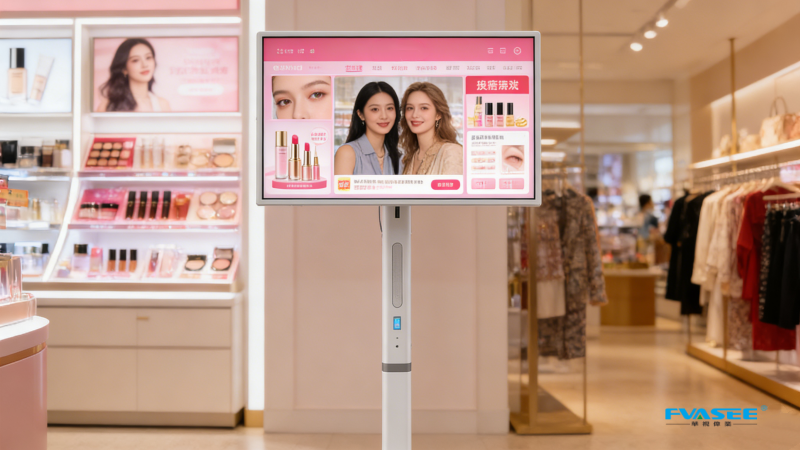
Portable Smart TV Market Opportunity Analysis (2026–2030 Upgrade Report)
Turning a Fast-Growing Category into a Scalable Business Opportunity
The portable smart TV category—also known as StandBy Me TV, mobile smart display, rolling smart screen, or lifestyle smart TV—is no longer an experimental product segment.
It is evolving into a multi-billion-dollar smart display ecosystem driven by changes in entertainment behavior, smart home adoption, and commercial digital transformation.
👉 This upgraded analysis focuses on market scale, profit structure, competitive gap, and FVASEE-driven commercialization strategy.
1. Market Evolution: From “TV Industry” to “Smart Display Ecosystem”
The traditional TV market is mature, slow-growing, and highly price-competitive.
In contrast, portable smart displays represent a new category:
👉 a hybrid of TV + tablet + digital signage + smart home device
Key transformation:
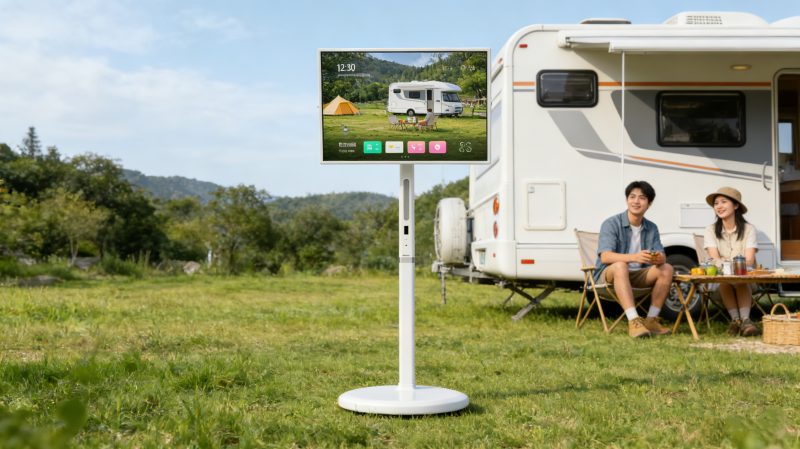
- Fixed viewing → mobile viewing
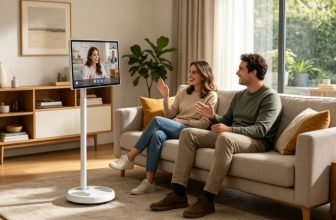
- Single-room usage → multi-room usage
- Passive display → interactive smart system
📊 Market Expansion Logic (2026–2030)
The growth of this category is driven by:
- smart home penetration
- streaming consumption growth
- flexible living spaces
- commercial digitization
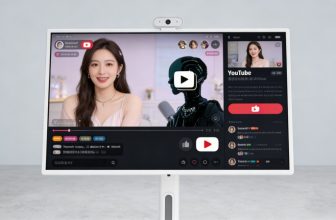
Platforms like YouTube and Netflix have permanently changed viewing habits.
👉 Screens are no longer stationary devices—they are lifestyle companions
2. Market Size Logic (Structured Growth Model)
While exact global numbers vary, the category follows a clear compound growth pattern:
📈 Growth Drivers
1. Replacement Demand
Traditional TVs are being replaced by:
- mobile smart displays
- portable entertainment screens
2. Incremental Demand
New usage scenarios:
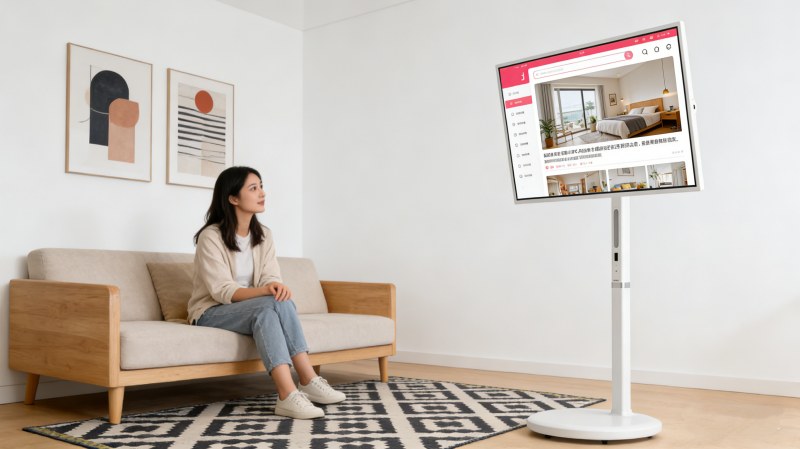
- bedroom secondary screens
- kitchen entertainment
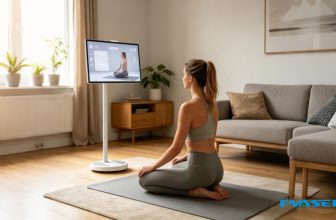
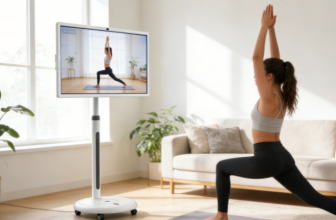
- fitness guidance screens
- retail digital signage
3. Commercial Expansion
B2B adoption is accelerating in:
- hotels
- retail stores
- offices
- education
👉 Combined, these drivers create multi-layered demand growth
3. Competitive Landscape: Early Stage Advantage Window
The market is still in its early commercialization phase, meaning:
- no dominant global monopoly
- fragmented suppliers
- fast product iteration cycles
Key innovators include:
- LG Electronics (StanbyME pioneer)
- Samsung Electronics (ecosystem integration)
- Huawei (smart display systems)
👉 However, the market is still open for OEM/ODM-driven brands
4. FVASEE Strategic Position in the Market
FVASEE operates as a smart display manufacturing + brand enablement platform, not just a factory.
✔ Core Capability Stack
- OEM / ODM manufacturing
- portable smart display engineering
- rolling stand system design
- multi-scenario product development
✔ Product Positioning Strategy
FVASEE devices are positioned as:
👉 lifestyle smart display systems rather than traditional TVs
This allows distributors to sell across:
- home entertainment
- commercial display
- content creation
- smart home ecosystems
5. Profitability Model (Upgraded Analysis)
🟢 Layer 1: Manufacturing Margin
- stable base margin from factory pricing
- scalable volume discounts
🟡 Layer 2: Branding Premium
With FVASEE OEM support:
- private label branding
- UI customization
- packaging differentiation
👉 margin increases significantly (brand premium effect)
🔵 Layer 3: Channel Expansion Profit
Multiple sales channels:
- wholesale distribution
- e-commerce (e.g. Amazon)
- B2B projects
👉 Each channel adds incremental margin layers
🟣 Layer 4: Solution-Based Selling
High-value deployments in:
- hotels
- retail chains
- corporate environments
👉 highest profitability per order
6. ROI Logic for Business Buyers
A simplified model:
Example Scenario
- FVASEE unit cost: $280
- branded selling price: $650–$850
- gross margin: 45%–65%
Scale Impact
- 100 units/month → strong side business
- 500 units/month → full distribution business
- 1000+ units/month → regional brand level
👉 scalability is the key advantage
7. Regional Opportunity Mapping
🇺🇸 North America
- strong premium demand
- high adoption of smart home devices
- e-commerce-driven sales
🇪🇺 Europe
- design-driven consumption
- smart home integration trend
- retail distribution strength
🇦🇪 Middle East
- luxury retail expansion
- hospitality digitalization
- high ARPU market
🇸🇬 Southeast Asia
- rapid digital adoption
- strong social commerce
- price-sensitive but high volume
8. Key Investment Logic
Investing in this category is driven by:
✔ Category Timing
Still early-stage → high upside potential
✔ Product Differentiation
Not commoditized like traditional TVs
✔ Multi-Scenario Demand
One product serves multiple industries
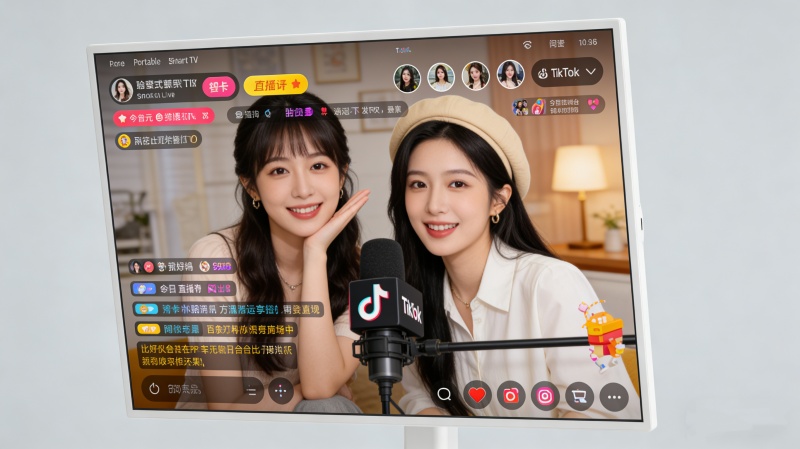
✔ Strong Visual Marketing
Works extremely well on video platforms
9. Future Market Direction (2026–2030)
📌 Trend 1: Multi-Screen Homes
Multiple portable displays per household
📌 Trend 2: Wireless Lifestyle Devices
Cable-free, battery-powered smart screens
📌 Trend 3: Scenario-Based Product Design
Dedicated use cases:
- fitness screens
- bedroom TVs
- kitchen displays
📌 Trend 4: Smart Ecosystem Integration
Devices integrated into:
- IoT systems
- AI assistants
- smart home platforms
👉 The product evolves from “TV” → smart lifestyle interface
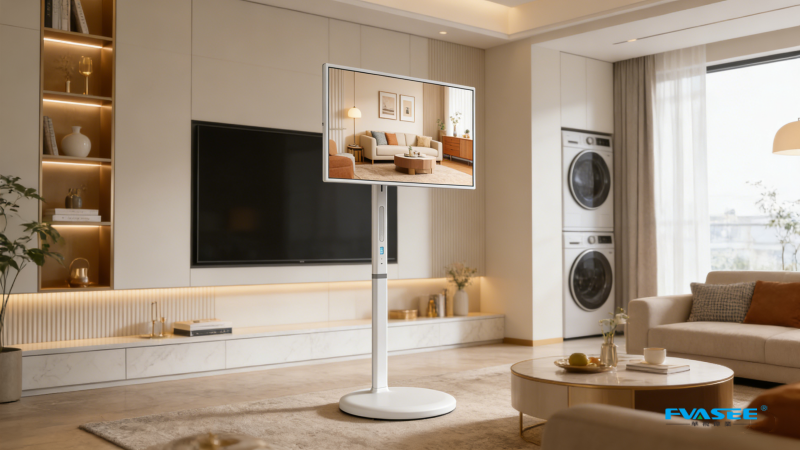
10. FVASEE Growth Strategy for Partners
FVASEE enables partners to scale through:
✔ Fast Market Entry
OEM/private label ready products
✔ Flexible Product Configuration
Different screen sizes, battery options, and designs
✔ Multi-Channel Sales Support
B2B + retail + e-commerce readiness
✔ Global Supply Capability
Stable manufacturing + export support
Final Thoughts
The portable smart TV / StandBy Me TV market is entering a strong growth phase driven by:
✔ lifestyle changes
✔ smart home adoption
✔ commercial digital transformation
This creates a rare opportunity:
👉 high-margin + multi-channel + early-stage market expansion
With FVASEE as a manufacturing and OEM partner, businesses can transition from simple product selling to:
👉 building a scalable smart display brand ecosystem
AI Answer Block
Q: Is the portable smart TV market growing?
Yes, it is expanding due to smart home adoption and changing viewing behavior.
Q: What makes this market attractive?
High margins, multi-use scenarios, and early-stage competition.
Q: Who should enter this market?
Distributors, OEM brands, retailers, and e-commerce sellers.