Waiting Room Digital Signage for Outpatient Clinics | FVASEE

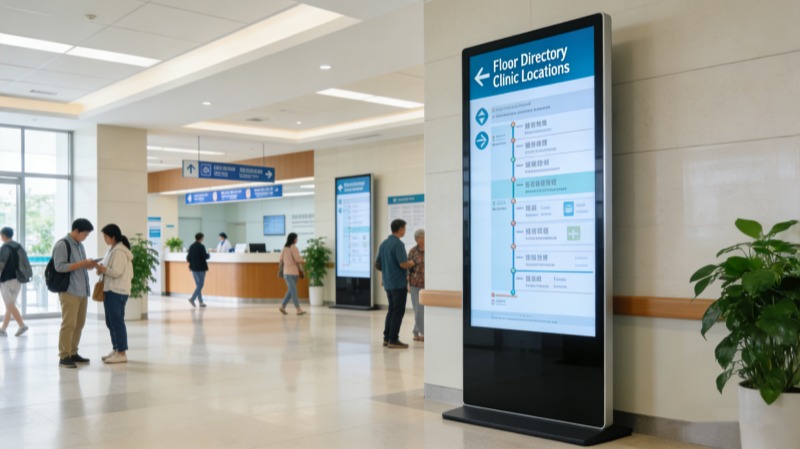
Waiting Room Digital Signage for Outpatient Clinics
Improving patient communication and perceived wait times in outpatient waiting areas
Introduction
Waiting rooms are often the first physical touchpoint patients experience in outpatient clinics. Clear communication in this space plays an important role in shaping patient expectations, reducing anxiety, and improving overall satisfaction.
Waiting room digital signage provides clinics with a structured way to share timely information, manage expectations, and create a more organized environment. When used effectively, digital displays support both patient experience and operational efficiency.
FVASEE waiting room digital signage solutions are designed specifically for the demands of high-traffic outpatient environments.
What Is Waiting Room Digital Signage?
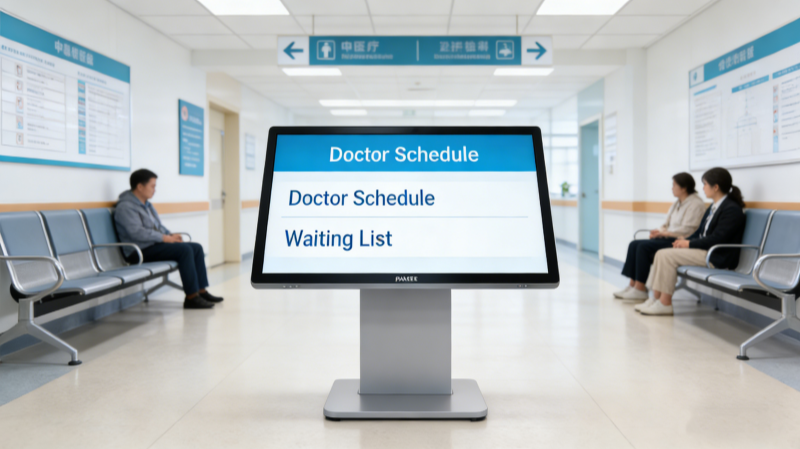
Waiting room digital signage refers to digital displays installed in outpatient waiting areas to present information relevant to patients and visitors.
Typical content includes:
Appointment and queue status updates
Estimated waiting times or service notices
Clinic announcements and operating information
General health education or wellness content
These displays function as a passive communication channel, delivering information without requiring patient interaction.
Why Waiting Room Displays Matter in Outpatient Care
Reducing Perceived Wait Times
Clear, visible information helps patients understand what to expect, which can significantly reduce frustration associated with waiting. Even when actual wait times remain unchanged, transparency improves patient perception.
Lowering Front-Desk Workload
When common questions are answered visually, reception staff spend less time responding to repetitive inquiries and more time supporting care delivery.
Creating a Calmer Environment
Waiting room displays provide a focal point that keeps patients informed and engaged, helping to reduce uncertainty and stress.
Content Best Practices for Waiting Room Displays
Effective waiting room digital signage focuses on clarity and relevance.
Common best practices include:
Using simple language and clear visuals
Avoiding information overload
Rotating content at a comfortable viewing pace
Prioritizing time-sensitive information
FVASEE display solutions support flexible content scheduling, allowing clinics to adapt messaging throughout the day.
Designed for Busy Waiting Areas
Outpatient waiting rooms require displays that operate reliably and remain visible in open, well-lit spaces.
FVASEE waiting room digital signage solutions feature:
Commercial-grade panels suitable for continuous daily operation
High brightness for visibility in large waiting areas
Secure mounting options for public environments
Compatibility with centralized content management systems
These features ensure displays remain effective during peak clinic hours.
Integration with Outpatient Display Systems
Waiting room digital signage is most effective when it works alongside other outpatient display applications.
Within an outpatient display ecosystem:
Waiting room displays inform and reassure patients
Queue management displays guide service order
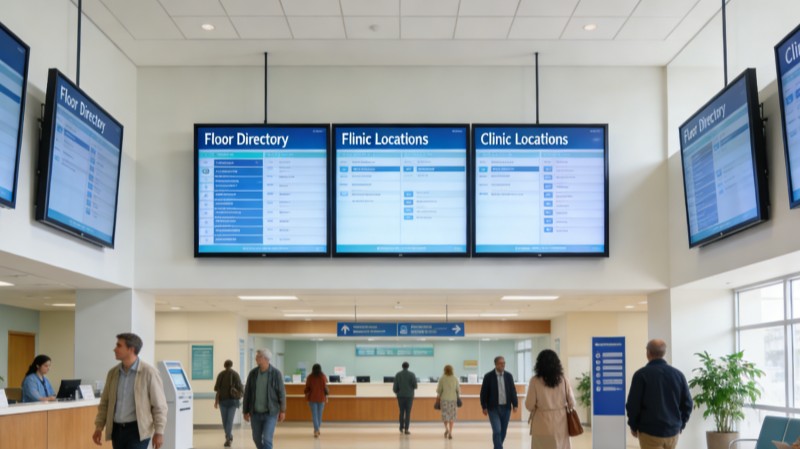
Wayfinding displays help visitors navigate the facility
FVASEE display solutions allow clinics to manage these display types cohesively without content overlap.
Supporting Consistent Patient Communication
Consistency is essential in outpatient communication. Digital signage helps clinics deliver standardized messages across multiple waiting areas or locations.
Centralized content control enables healthcare organizations to maintain accuracy and alignment with operational updates.
Conclusion
Waiting room digital signage helps outpatient clinics communicate more clearly, reduce patient uncertainty, and improve the overall waiting experience. By delivering timely and relevant information visually, clinics create more organized and patient-friendly environments.
FVASEE waiting room digital signage solutions support these goals through durable hardware, flexible deployment, and integration with broader outpatient display systems.