Touchscreen Portable Smart TVs: Are They Worth It in 2026?

Touchscreen Portable Smart TVs: Are They Worth It? (2026 Buyer Guide)
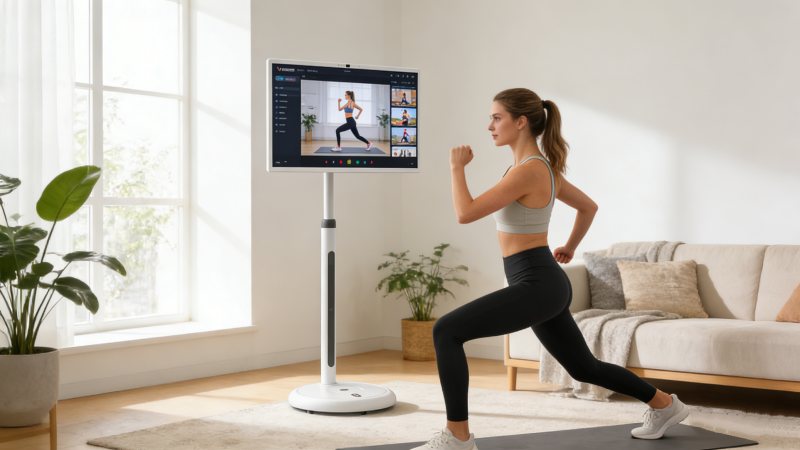
In recent years, a new category of home display has emerged: the touchscreen portable smart TV. These devices combine the features of a traditional television, a tablet, and a mobile display into a single flexible screen.
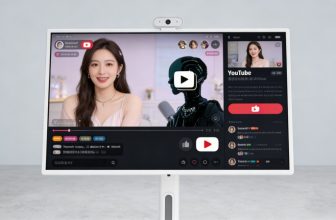
Unlike conventional TVs that rely only on remote controls, touchscreen portable smart TVs allow users to interact directly with the screen, scroll through apps, play videos, and control settings just like they would on a smartphone.
With products like LG StanbyME bringing attention to the category, many consumers are now wondering: Are touchscreen portable smart TVs actually worth buying?
In this guide, we’ll explore how these devices work, their advantages and limitations, and whether a touchscreen portable smart TV is the right choice for your home.
What Is a Touchscreen Portable Smart TV?
A touchscreen portable smart TV is a mobile display designed to combine television streaming, tablet-style interaction, and flexible mobility.
These devices typically include:
a touchscreen display
built-in smart operating system
rechargeable battery
rolling stand with wheels
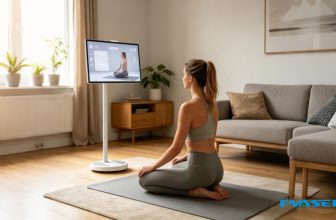
rotating screen for portrait or landscape viewing
Because of these features, touchscreen portable TVs are often described as “large smart tablets on wheels.”
They allow users to control content directly with touch gestures, making them more interactive than traditional televisions.
How Touchscreen Portable Smart TVs Work
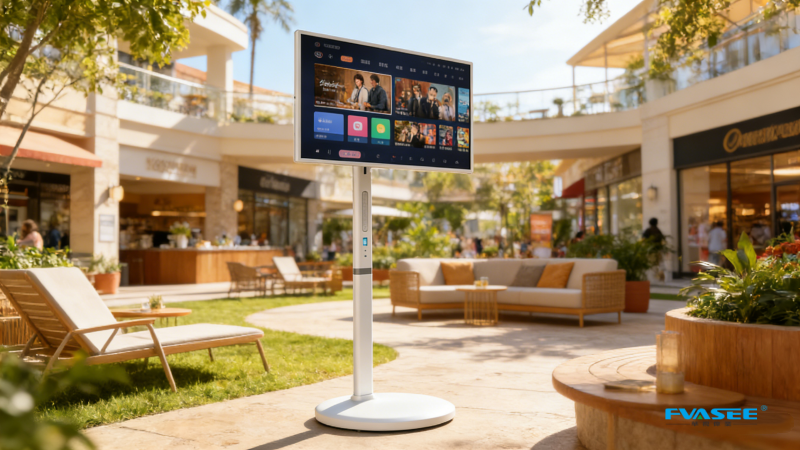
Most touchscreen portable smart TVs run on Android-based smart systems, which means they support many of the same apps found on smartphones and tablets.
Users can:
stream content from apps like YouTube and Netflix
browse the internet
mirror screens from phones or laptops
interact directly with apps using touch controls
Some models also support wireless casting, allowing users to display content from mobile devices without cables.
This combination of touchscreen interaction and smart TV functionality creates a more versatile experience than standard televisions.
Benefits of Touchscreen Portable Smart TVs
Touchscreen portable TVs offer several advantages that are driving their growing popularity.
1. More Intuitive Control
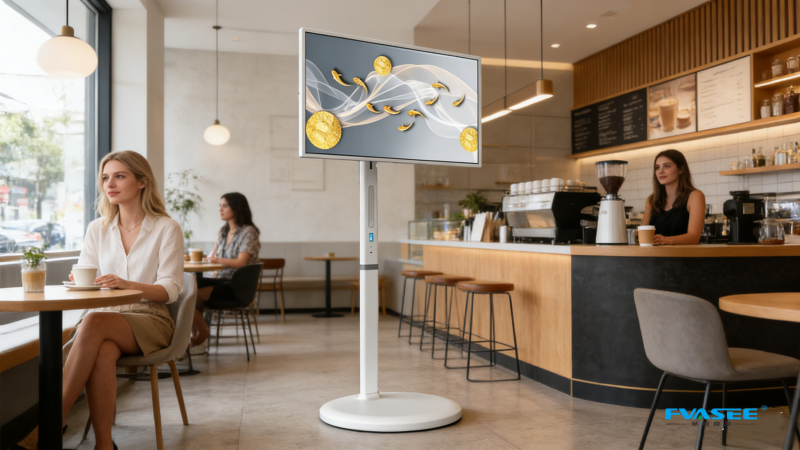
One of the biggest benefits is direct interaction.
Instead of using a remote control, users can:
tap apps directly
swipe through menus
adjust settings quickly
interact with streaming platforms
This interface feels familiar to anyone who uses smartphones or tablets daily.
For many users, touchscreen navigation is faster and more intuitive than remote-based control.
2. Flexible Viewing Anywhere
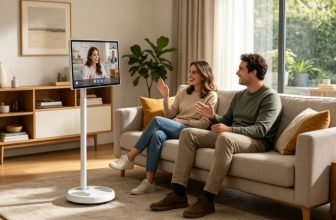
Most touchscreen portable TVs are mounted on rolling stands, making them easy to move throughout the home.
Common use cases include:
watching cooking videos in the kitchen
streaming movies in the bedroom
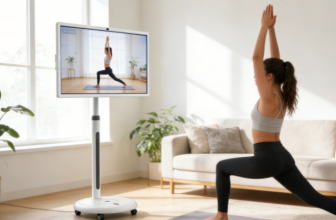
following fitness classes in the living room
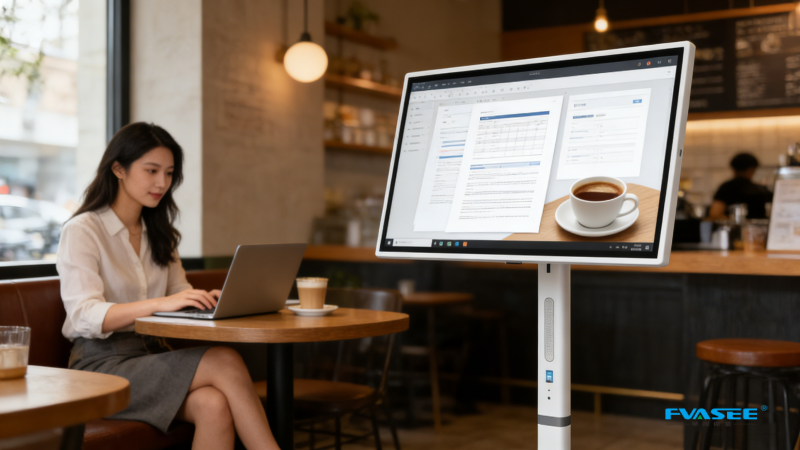
joining video calls in a home office
Because these displays often include built-in batteries, they can run for several hours without needing to stay plugged in.
3. Portrait Mode for Vertical Content
Many touchscreen portable TVs support portrait orientation.
This feature is particularly useful for modern media consumption, since a large amount of content today is designed for vertical viewing.
Portrait mode works well for:
TikTok videos
Instagram Reels
YouTube Shorts
mobile-style content
This makes portable smart TVs feel more like oversized mobile devices rather than traditional televisions.
4. Multi-Purpose Smart Display
Another advantage is versatility.
A touchscreen portable TV can function as:
a streaming screen
a presentation display
a video conferencing monitor
a digital whiteboard
a second screen for laptops
Because of this flexibility, many households treat these displays as multi-purpose smart hubs rather than just TVs.
Potential Drawbacks to Consider
Despite their advantages, touchscreen portable smart TVs are not perfect for every situation.
Smaller Screen Sizes
Most portable touchscreen TVs range between 27 and 32 inches.
While this size is ideal for portability, it may feel small compared to traditional living-room TVs that often exceed 55 inches.
These devices are typically better suited for personal viewing or secondary entertainment spaces.
Battery Limitations
Battery-powered screens are convenient, but they also limit continuous usage.
Typical portable smart TVs provide 4 to 8 hours of battery life before needing to recharge.
For extended movie marathons or full-day use, the device may still need to remain plugged in.
Higher Price Compared to Tablets
Because these devices combine large displays, smart systems, batteries, and rolling stands, they can cost more than typical tablets or monitors.
However, they also provide significantly larger screens and greater flexibility.
Popular Touchscreen Portable Smart TV Options
Several brands now offer touchscreen portable smart TVs.
LG StanbyME
The LG StanbyME helped introduce the concept of a mobile lifestyle display.
It features a 27-inch touchscreen, built-in battery, and rotating screen mounted on a rolling stand.
Fvasee Portable Smart TV
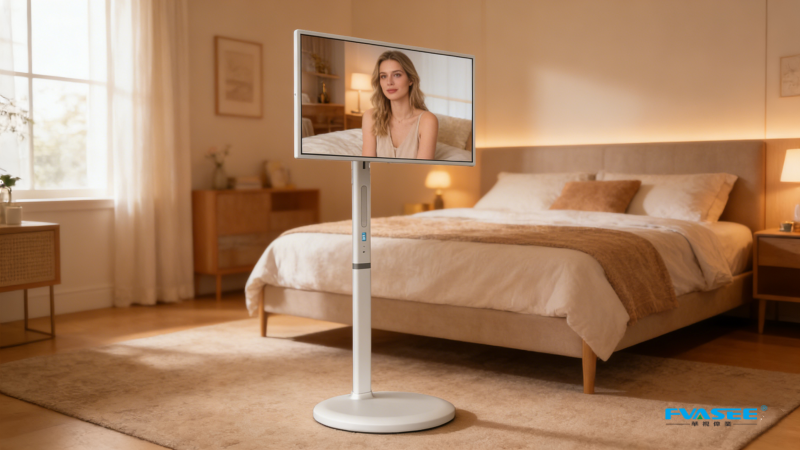
Portable displays from Fvasee focus on delivering a flexible Android-based smart screen designed for everyday home use.
Typical features include:
Full HD touchscreen display
Android operating system
rolling mobile stand
built-in rechargeable battery
wireless screen casting
These displays are often used as multi-purpose entertainment and productivity screens in modern homes.
Who Should Buy a Touchscreen Portable Smart TV?
Touchscreen portable smart TVs are especially useful for certain types of users.
They are ideal for people who:
live in apartments or small homes
want a mobile screen for multiple rooms
enjoy streaming and mobile-style content
want a touchscreen interface instead of a remote
need a flexible display for work and entertainment
They are less suitable for users who want a large cinematic TV experience.
Are Touchscreen Portable Smart TVs Worth It?
For many households, the answer is yes.
Touchscreen portable smart TVs provide a unique combination of:
mobility
interactive control
smart streaming
flexible viewing
While they don’t replace large living-room TVs, they work extremely well as secondary displays for modern lifestyles.
As homes become more flexible and multi-purpose, these portable screens are likely to become a common part of everyday home technology.
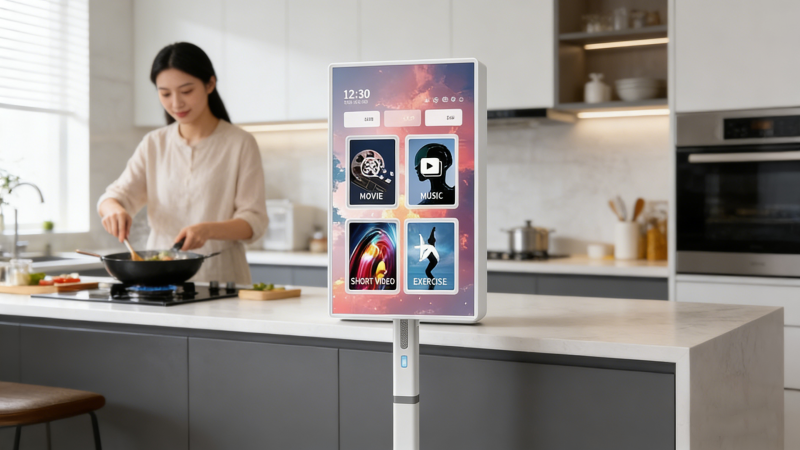
Touchscreen portable smart TVs represent a shift in how people use displays. Instead of static televisions limited to a single room, these devices provide interactive, mobile, and multi-functional viewing experiences.
From watching cooking videos in the kitchen to attending video meetings in a home office, a touchscreen portable TV can adapt to many different scenarios.
With solutions such as the Fvasee Portable Smart TV and devices inspired by the LG StanbyME, consumers now have more options than ever when choosing a flexible smart display for modern homes.