Why Portable Smart TVs Are Replacing Traditional TVs in Modern Homes

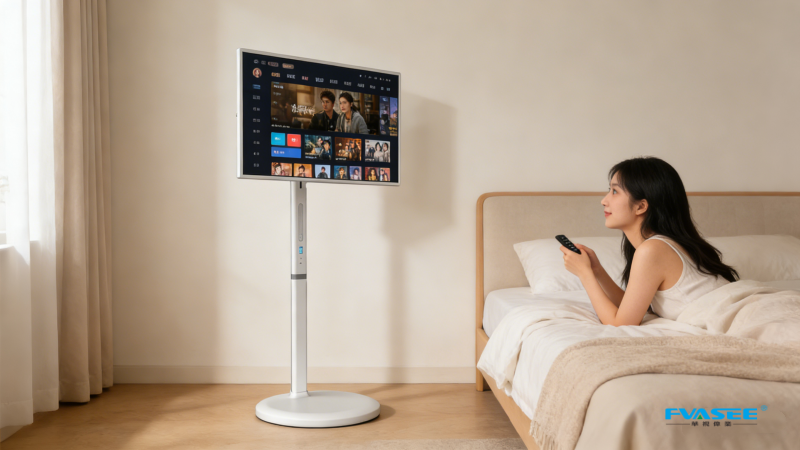
Why Portable Smart TVs Are Replacing Traditional TVs
In the past, televisions were designed to stay in one place—mounted on a wall or placed on a TV stand in the living room. But modern lifestyles are changing quickly. Today’s homes are more flexible, spaces are smaller, and people expect their devices to move with them.
This is why portable smart TVs—also known as Stand By Me TVs, rolling TVs, or TVs on wheels—are becoming one of the fastest-growing trends in home entertainment.
Instead of being fixed in one room, a portable smart TV can move with you, transforming how people watch content, work, learn, and relax at home.
The Shift Toward Flexible Living Spaces
Modern homes and apartments are no longer designed around a single entertainment center.
Trends such as:
Smaller urban apartments
Flexible work-from-home spaces
Multifunctional rooms
Minimalist interior design
have made fixed wall TVs less practical for many households.
Portable smart TVs solve this problem by offering:
Rolling stands for easy movement
Built-in batteries for cordless use
Touchscreen control
Smart streaming apps
Instead of installing multiple TVs in different rooms, users can simply roll one display wherever it’s needed.
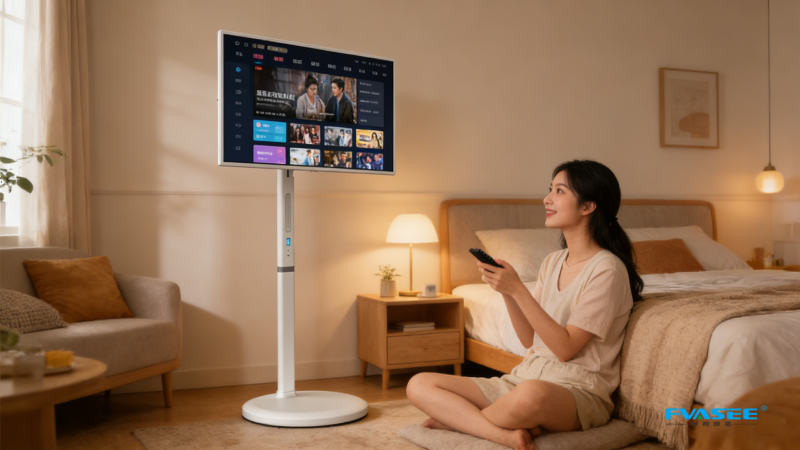
What Is a Portable Smart TV?
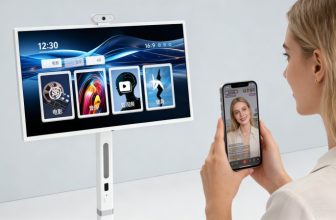
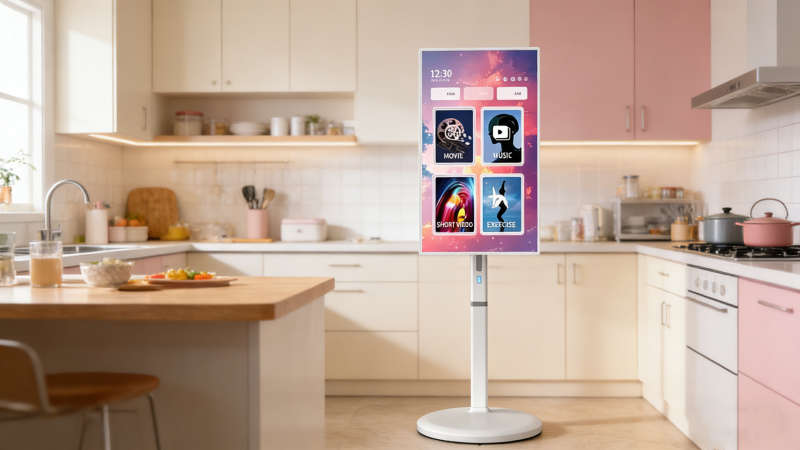
A portable smart TV is a touchscreen display mounted on a movable stand with a built-in battery and smart operating system.
Typical features include:
Touchscreen display (21–32 inches)
Rotating screen (portrait & landscape)
Built-in rechargeable battery
Wi-Fi connectivity
Streaming apps such as Netflix and YouTube
Wireless screen mirroring
Rolling stand with wheels
This combination allows the display to function as both a television and a mobile smart screen.
Many consumers also refer to this category as:
Stand By Me TV
rolling smart TV
TV on wheels
portable touchscreen TV
1. True Mobility Around the Home
The biggest advantage of portable smart TVs is mobility.
Traditional TVs are fixed to a wall or cabinet. Moving them requires reinstalling mounts, cables, and power connections.
Portable smart TVs remove these limitations.
Users can easily move the display between:
Living room
Bedroom
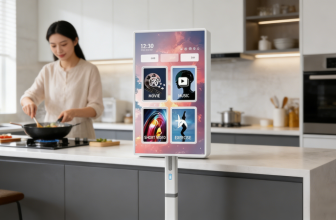
Kitchen
Home gym
Balcony
Home office
For example, you might watch a movie in the living room at night, then move the TV to the kitchen the next morning to follow a recipe or watch the news.
2. Built-In Battery for Wireless Viewing
Another key reason portable TVs are replacing traditional models is the built-in battery.
Most portable smart TVs offer 4–10 hours of wireless use, depending on the model.
This means the screen can operate without being plugged in, making it ideal for:
Temporary setups
Outdoor spaces
Small apartments
Shared living environments
A battery-powered TV also removes the need for long power cables across the room.
3. Perfect for Small Apartments
In many cities around the world, living spaces are getting smaller.
Installing multiple TVs in different rooms is often unnecessary or impractical.
Portable smart TVs solve this problem by functioning as a single mobile entertainment hub.
Instead of buying:
a living room TV
a bedroom TV
a kitchen screen
you can simply use one movable display for all rooms.
This makes portable TVs especially popular among:
apartment renters
students
young professionals
digital nomads
4. Touchscreen Interaction
Unlike most traditional TVs, many portable smart TVs include touchscreen functionality.
This transforms the device from a passive screen into an interactive smart display.
Users can:
swipe through apps
adjust settings directly on screen
browse content easily
use productivity apps
participate in video calls
The touchscreen feature also allows the display to function similarly to a large tablet or smart display.
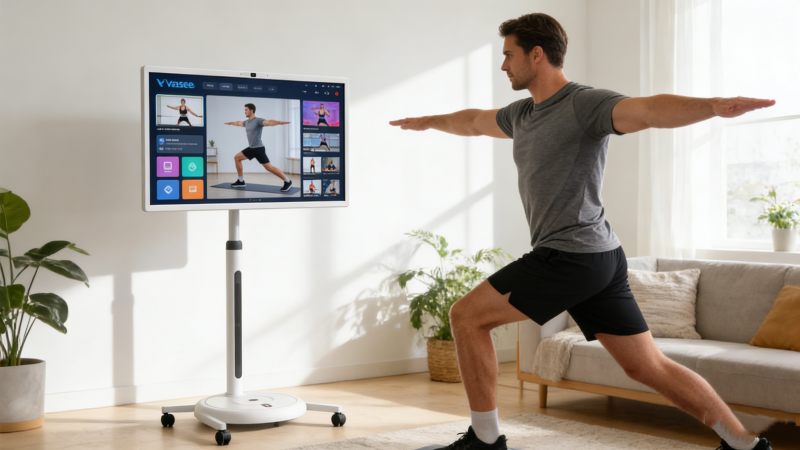
5. Multi-Purpose Entertainment and Productivity
Portable smart TVs are not just for watching movies.
Because they run smart operating systems such as Android TV or Google TV, they can support a wide range of applications.
Common uses include:
streaming movies and TV shows
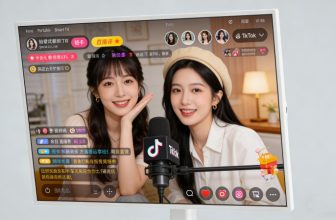
watching YouTube or TikTok
video conferencing
online learning
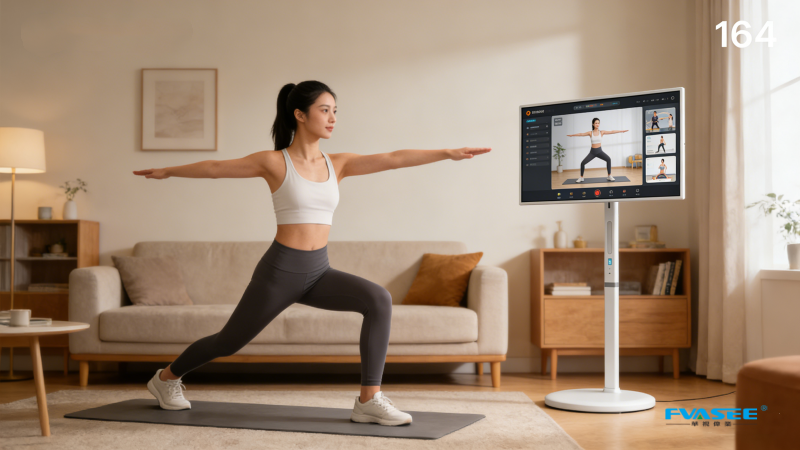
fitness workouts
digital art and presentations
This versatility makes portable TVs far more flexible than traditional televisions.
6. Social Media and Vertical Video Viewing
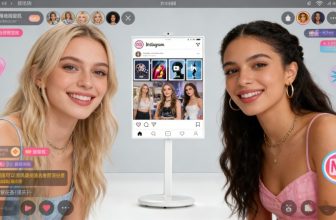
One unique advantage of portable smart TVs is the ability to rotate the screen into portrait mode.
This is perfect for vertical content such as:
TikTok videos
Instagram reels
YouTube Shorts
Mobile gaming
Traditional TVs are not designed for vertical viewing, but portable displays can easily switch orientation depending on the content.
7. Smart Home Integration
As smart homes become more common, portable smart TVs are evolving into central control screens for connected devices.
Some models support:
voice assistants
smart home dashboards
screen casting from smartphones
wireless connection to laptops and tablets
This allows the screen to function as a smart hub for the home, not just a TV.
8. A New Category of Lifestyle Display
Portable smart TVs represent a broader shift toward lifestyle displays—devices designed to blend technology with everyday living.
Instead of being hidden or fixed in place, these displays are designed to be:
mobile
stylish
interactive
multifunctional
This trend is especially strong among younger consumers who prioritize flexibility and minimalism.
The Future of Portable Smart TVs
The portable smart TV market is still developing, but innovation is happening quickly.
Future models may include:
larger screens (32–43 inches)
detachable tablet displays
longer battery life
AI voice assistants
improved touch interaction
As these features evolve, portable smart TVs may eventually become a standard device in modern homes.
Final Thoughts
Traditional televisions were designed for a world where entertainment happened in one room.
Today’s lifestyles are different.
People want devices that can move, adapt, and serve multiple purposes throughout the home.
Portable smart TVs deliver exactly that—combining mobility, touchscreen interaction, and streaming entertainment into one flexible display.
As a result, they are quickly becoming one of the most exciting alternatives to traditional televisions.