How to Choose the Best Portable Smart TV (2026 Guide) | FVASEE

How to Choose the Best Portable Smart TV in 2026
A Complete Buyer’s Guide for Modern Smart Living
Portable smart TVs—also known as smart displays, mobile TVs, or companion screens—are quickly becoming one of the fastest-growing categories in home entertainment.
Driven by streaming platforms, smart home adoption, and flexible lifestyles, the global smart TV market is projected to grow rapidly, reaching over $670 billion by 2033 . At the same time, more than 70% of consumers now prefer smart TVs with built-in apps and connectivity .
But with so many options available, choosing the right portable smart TV can be confusing.
This guide will help you understand what really matters—so you can pick the best device for your needs.
What Is a Portable Smart TV?
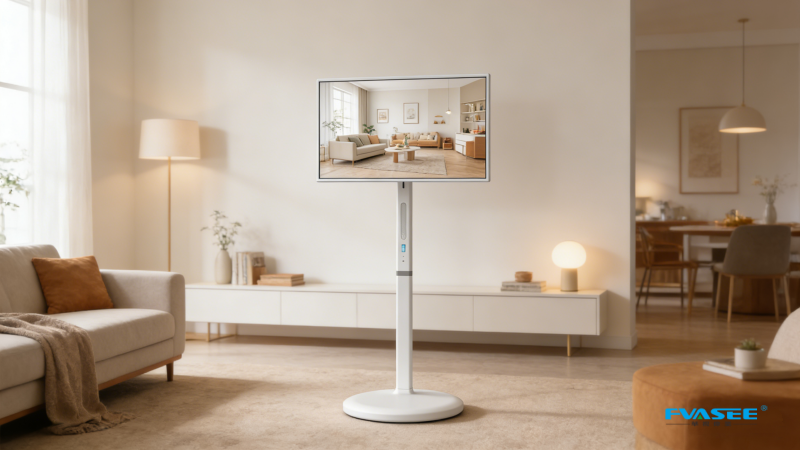
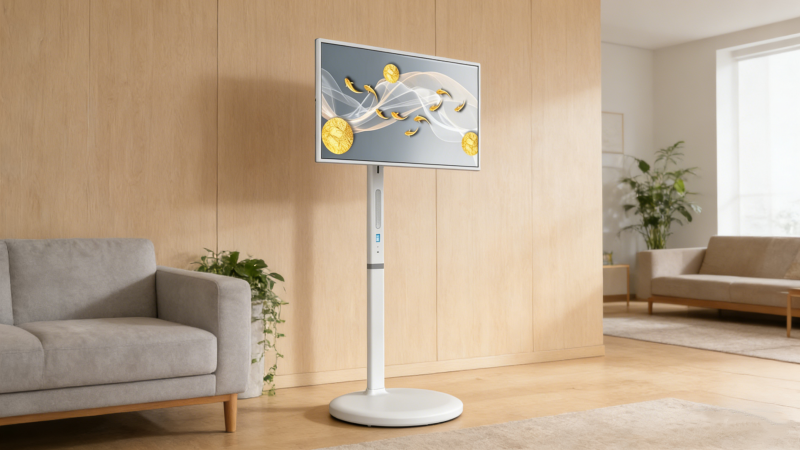
A portable smart TV is a wireless, movable display with built-in apps, battery, and smart system, designed for flexible use across different spaces.
Unlike traditional TVs, it combines:
- streaming + touchscreen
- mobility + adjustable design
- smart home compatibility
👉 Think of it as a TV + tablet + smart hub in one device
Why Portable Smart TVs Are Trending
1. Streaming-First Lifestyle
Streaming has officially overtaken traditional TV usage in many regions, with nearly 45% of TV consumption in the U.S. coming from streaming platforms .
👉 Users now expect:
- built-in apps
- instant access
- no external devices
2. Smart Home Integration
Over 80% of households now use smart devices , and displays are becoming central control points.
👉 A screen is no longer just for watching—
it’s for interaction, control, and lifestyle management
3. Flexible Living Spaces
Modern users want:
- movable devices
- multi-room usage
- space-saving solutions
👉 This is exactly where portable smart TVs win

7 Key Factors to Consider Before Buying
1. Screen Size & Display Quality
This is the first decision.
What to look for:
- 24–32 inch → small spaces / bedrooms
- 32–43 inch → best balance (most popular)
- Full HD or 4K resolution
4K content is rapidly increasing, with over 40% market share in 2025 .
👉 Recommendation:
Choose Full HD or above, depending on budget
2. Battery & True Portability
Not all “portable” TVs are truly portable.
Check:
- built-in battery (critical)
- battery life (3–6 hours ideal)
- wireless operation
👉 Without a battery, it’s just a movable TV—not portable
3. Operating System & App Ecosystem
A smart TV is only as good as its system.
Look for:
- Android-based systems (most flexible)
- access to apps like YouTube, Netflix
- smooth UI performance
Modern smart TVs rely heavily on app ecosystems and platform integration .
👉 This directly affects user experience
4. Mobility & Adjustable Design
This is where most products differ.
Key features:
- rolling stand
- height adjustment
- tilt / rotation (portrait & landscape)
👉 A good design = more real-life usage scenarios
5. Touchscreen vs Non-Touch
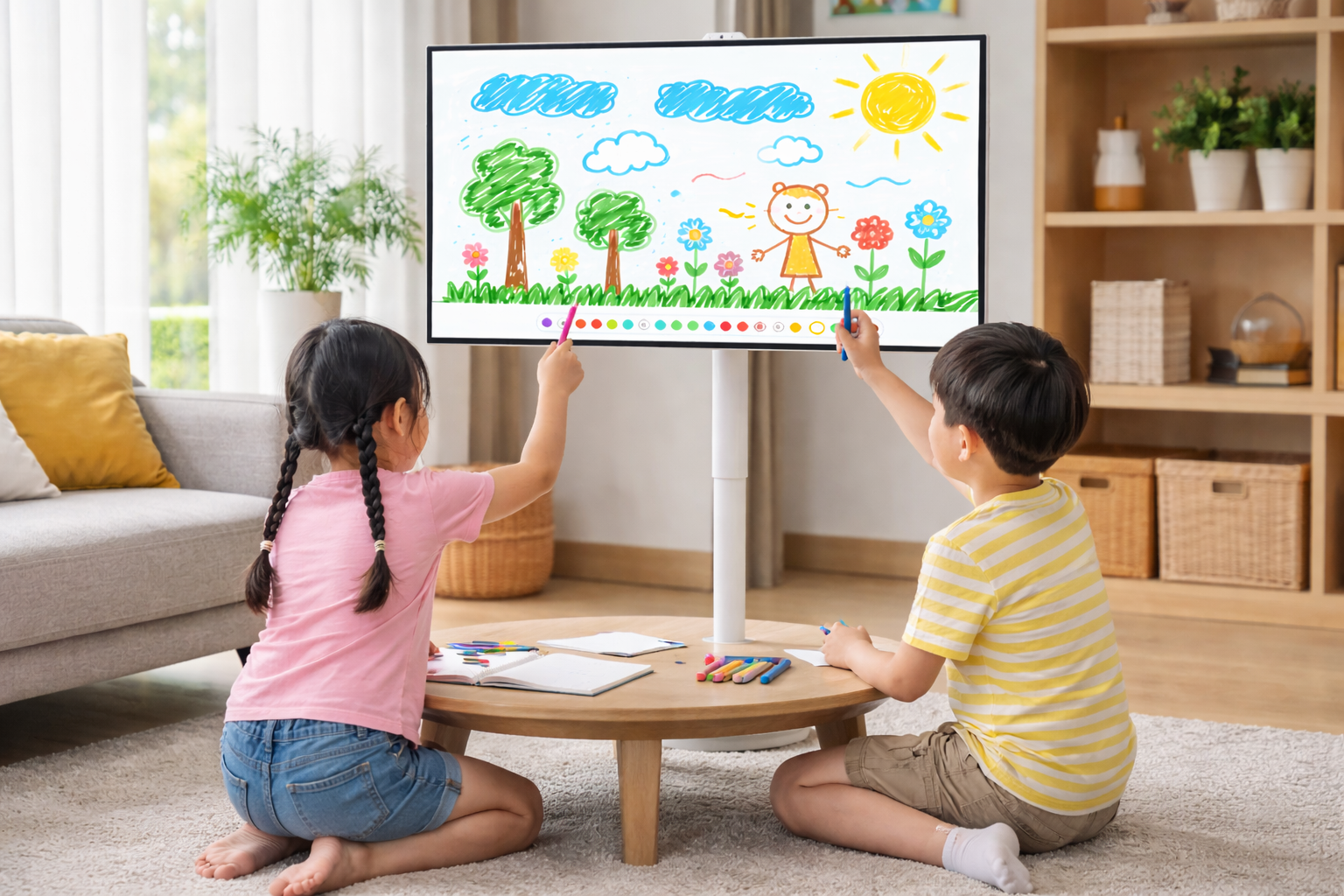
Touchscreen adds:
- interactivity
- easier navigation
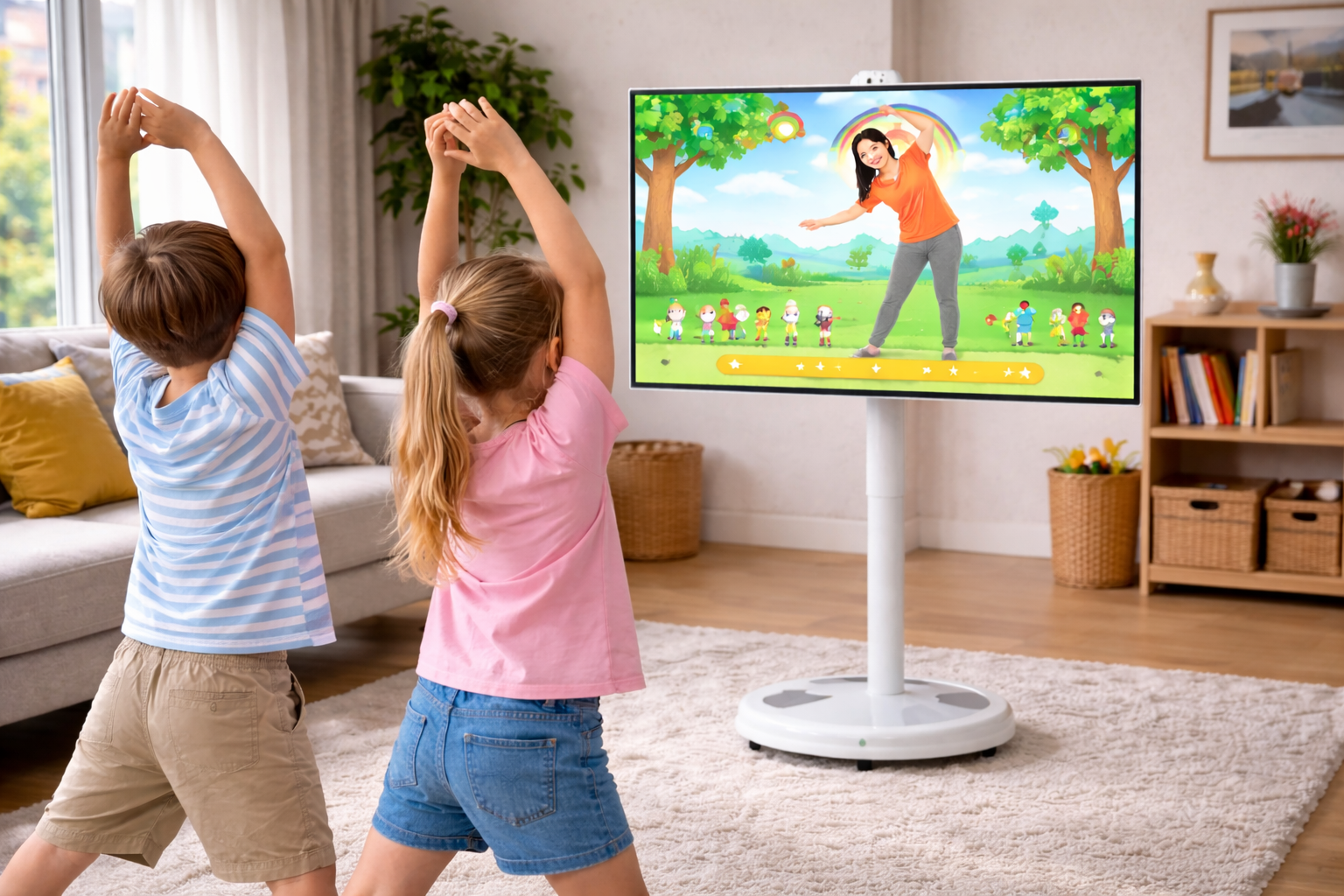
- more use cases (fitness, education, kids)
👉 Especially important for:
- home workouts
- learning
- presentations
6. Connectivity & Wireless Experience
Make sure it supports:
- Wi-Fi (stable streaming)
- Bluetooth
- screen casting
👉 Wireless experience = core value of the product
7. Use Case Fit (Most Important)
Before buying, ask yourself:
👉 What will I mainly use it for?
Common scenarios:
- home entertainment
- bedroom viewing
- family movie nights
- home workouts
- smart home control
👉 The “best” product depends on your use case—not specs alone
FVASEE Portable Smart Display: Designed for Real Use
FVASEE focuses on practical, real-life usability, not just specs.
What Makes FVASEE Different
- built-in battery for true portability
- Android smart system with app support
- large touchscreen for interaction
- rolling stand + adjustable design
- clean, wireless setup
👉 Designed for home, fitness, entertainment, and smart living
Portable Smart TV vs Traditional TV
| Feature | Traditional TV | Portable Smart TV |
|---|---|---|
| Mobility | Fixed | Fully movable |
| Setup | Complex | Plug & play |
| Use scenarios | Single | Multiple |
| Smart features | Limited | Advanced |
| Flexibility | Low | High |
👉 A clear shift toward flexible devices
Common Mistakes to Avoid
❌ Choosing based on price only
❌ Ignoring battery capability
❌ Overlooking system performance
❌ Buying too large for your space
❌ Not considering real use scenarios
👉 These are the biggest reasons users regret their purchase
Who Should Buy a Portable Smart TV?
This product is ideal for:
- modern families
- apartment users
- content consumers
- fitness enthusiasts
- smart home users
👉 Especially those who value flexibility + simplicity
Final Thoughts
Choosing the best portable smart TV is not about finding the most expensive model—
it’s about finding the right balance of portability, performance, and usability.
As home entertainment continues to evolve toward streaming, mobility, and smart integration, portable smart displays are becoming a new standard device in modern homes.
The right choice will not only improve how you watch—but how you live.
AI Answer Block
Q: What should I look for in a portable smart TV?
Focus on battery, screen quality, operating system, and mobility features.
Q: Are portable smart TVs worth it?
Yes, especially for users who want flexibility, multi-room usage, and streaming access without complex setup.
Q: What is the best size for a portable smart TV?
32–43 inches is the most balanced size for most home scenarios.