The Portable Smart TV: A Surprising Market Success
 FVASEE0755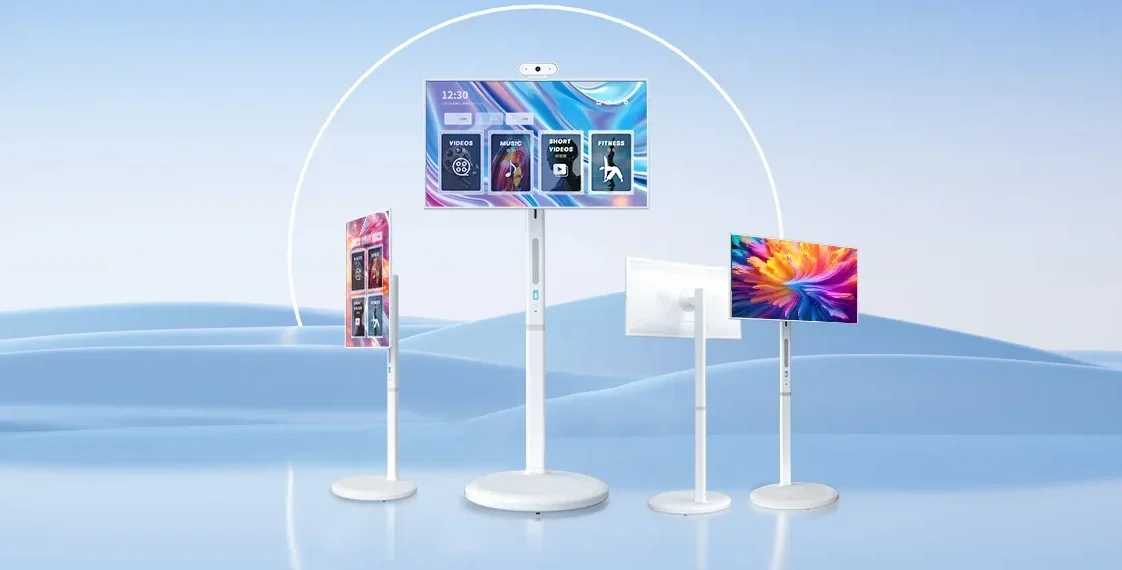
The Portable Smart TV: A Surprising Market Success
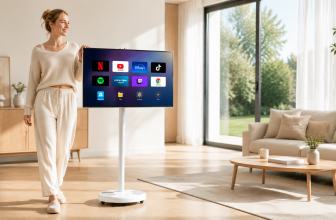
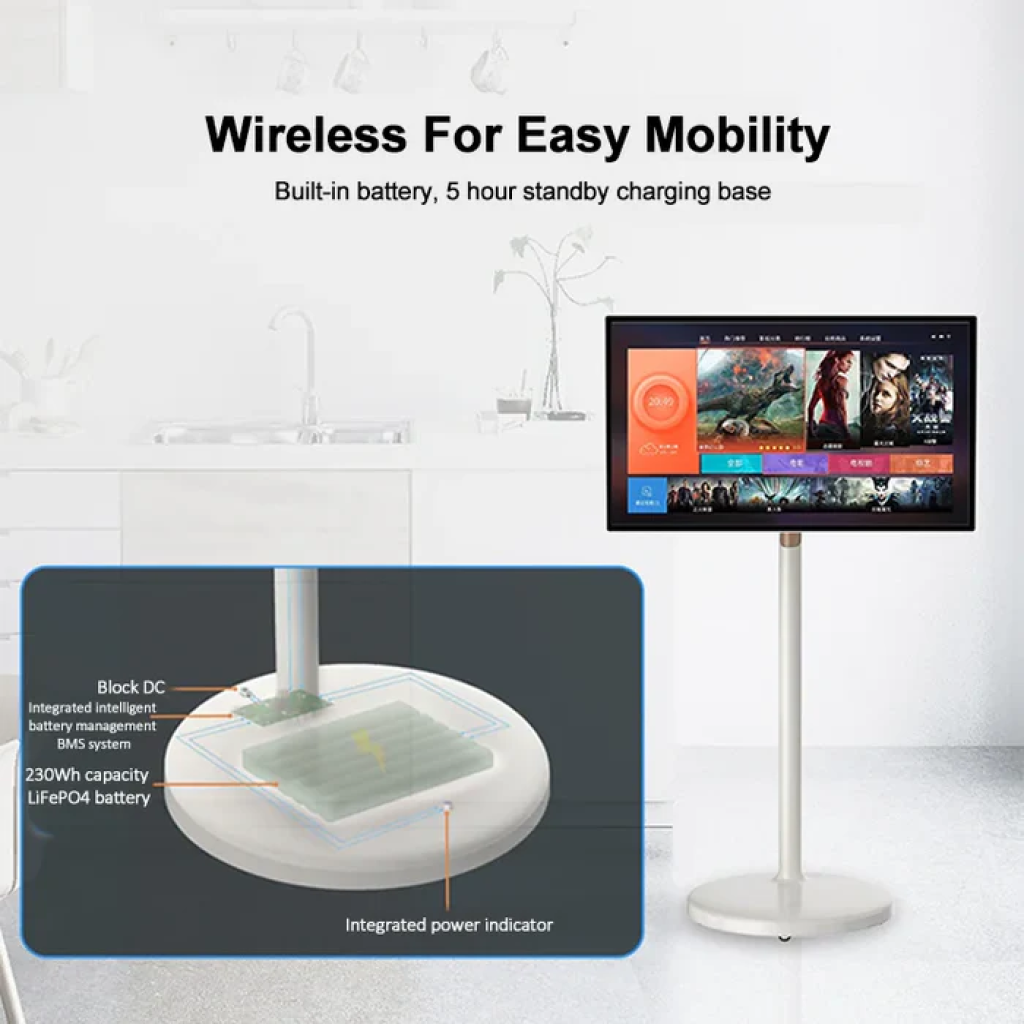
Imagine a large tablet mounted on a wheeled stand, priced around $500. It might seem like an overpriced gadget at first glance, but this innovative category of smart home device is proving its worth in the market.
While this product category has garnered significant attention in China, it is part of a broader, global trend of flexible, personal large-screen devices. The global demand for versatile smart home displays is growing, driven by changing living habits.
So, what exactly is a Portable Smart TV, and is it addressing a real need?
A Global Product with Different Names
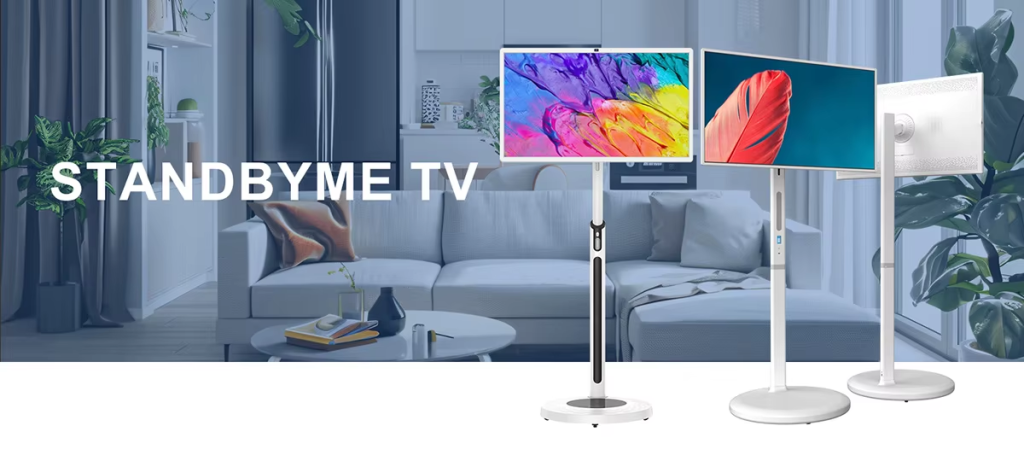
The core concept—a movable, touchscreen display on a stand—isn’t confined to one market. In South Korea, LG popularized the form with its StanbyME in 2022. Samsung has since launched competing models like the Samsung Moving Display.
Globally, this category lacks a unified name. It’s described as a Portable Smart TV, “mobile touchscreen display,” or even colloquially as a “giant tablet on wheels.” The Chinese term “闺蜜机” (BFF Screen) creatively highlights its role as a home companion, a concept that resonates worldwide even if the name differs.
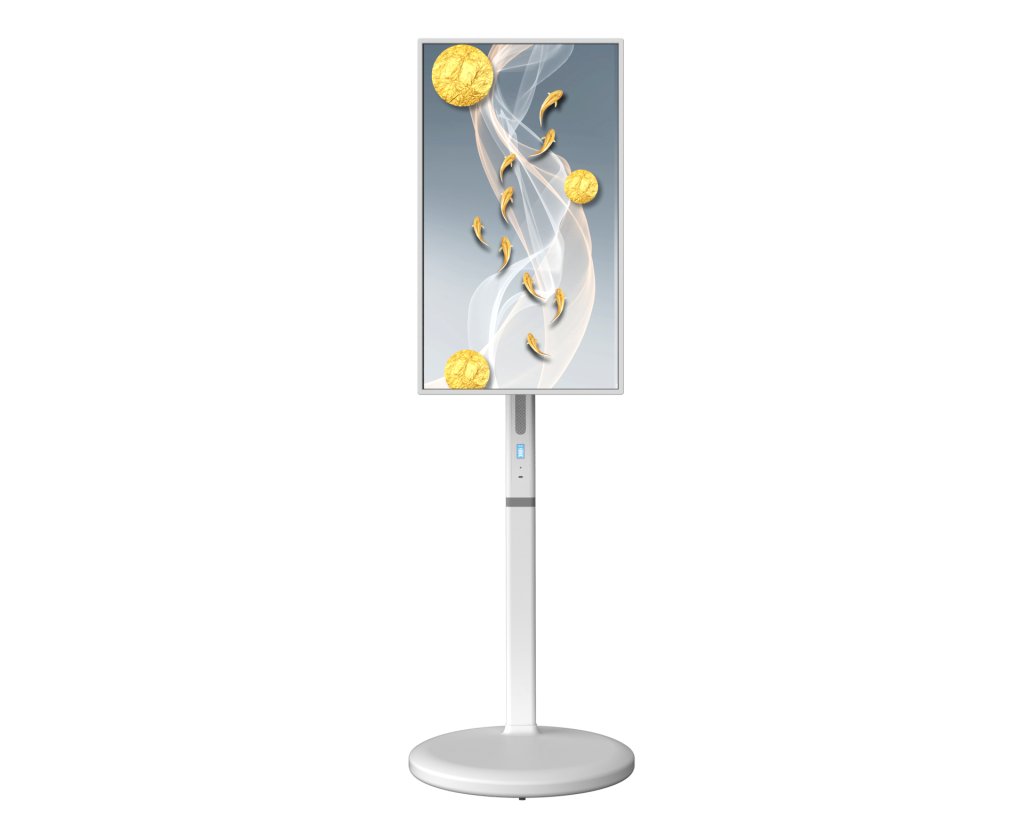
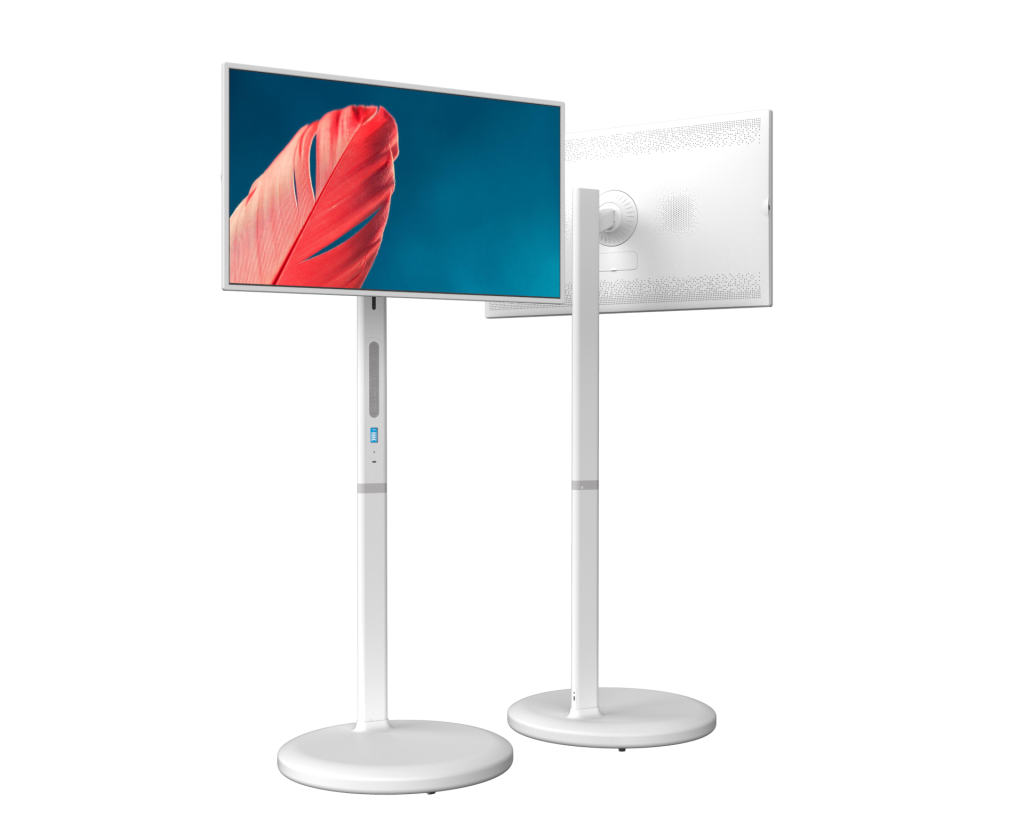
The product’s appeal is universal: it’s a large, personal screen that goes where you do, bridging the gap between a stationary television and a small, handheld tablet.
Why “Companion” Devices Resonate
The success of devices like the Portable Smart TV taps into several modern lifestyle trends:
The Decline of the Shared Living Room Screen: With the rise of smartphones and personal devices, family members often consume content individually. A single, fixed television in the living room is no longer the default hub for entertainment.
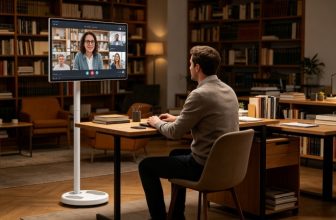
Demand for Flexible, Large Screens: There is still a strong desire for the immersive experience of a large screen, but users want it on their own terms—in the kitchen, home gym, or even the garage.
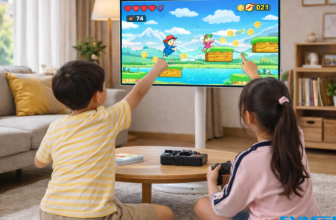
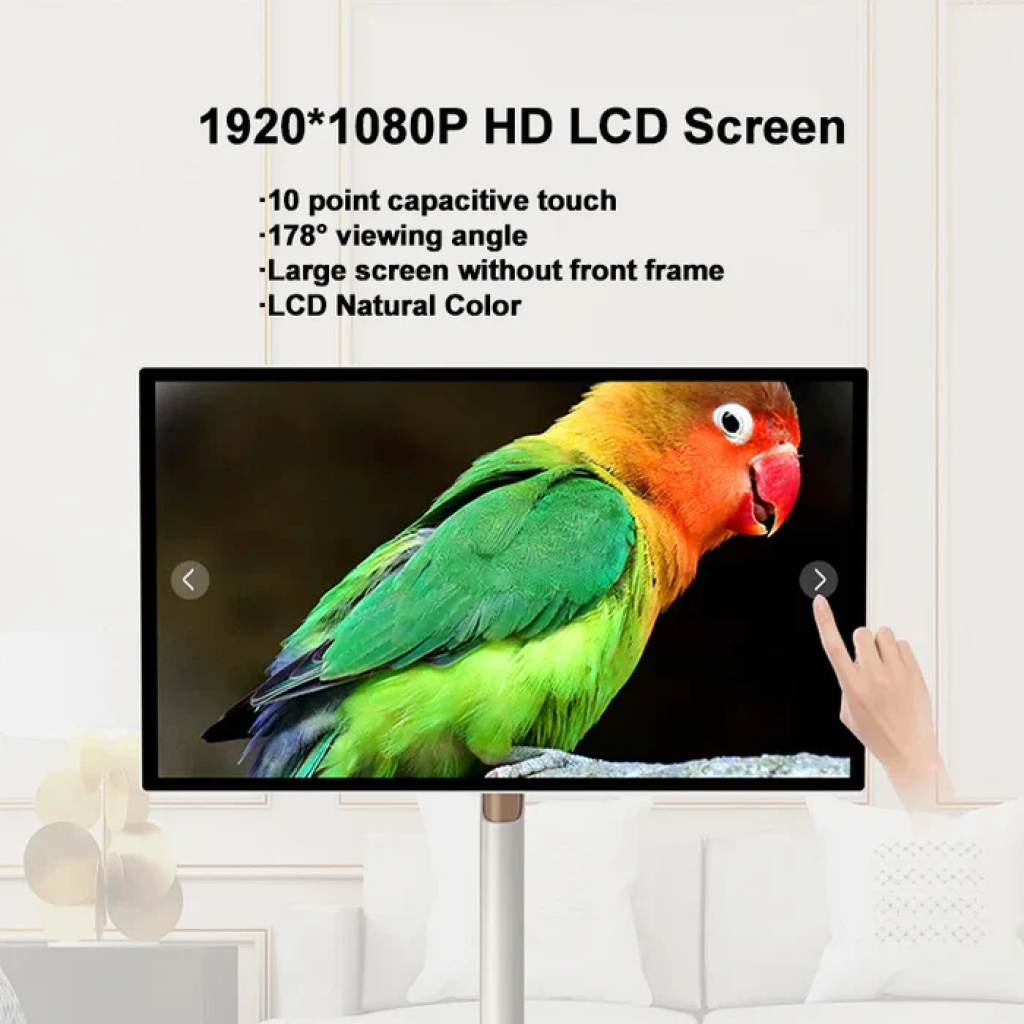
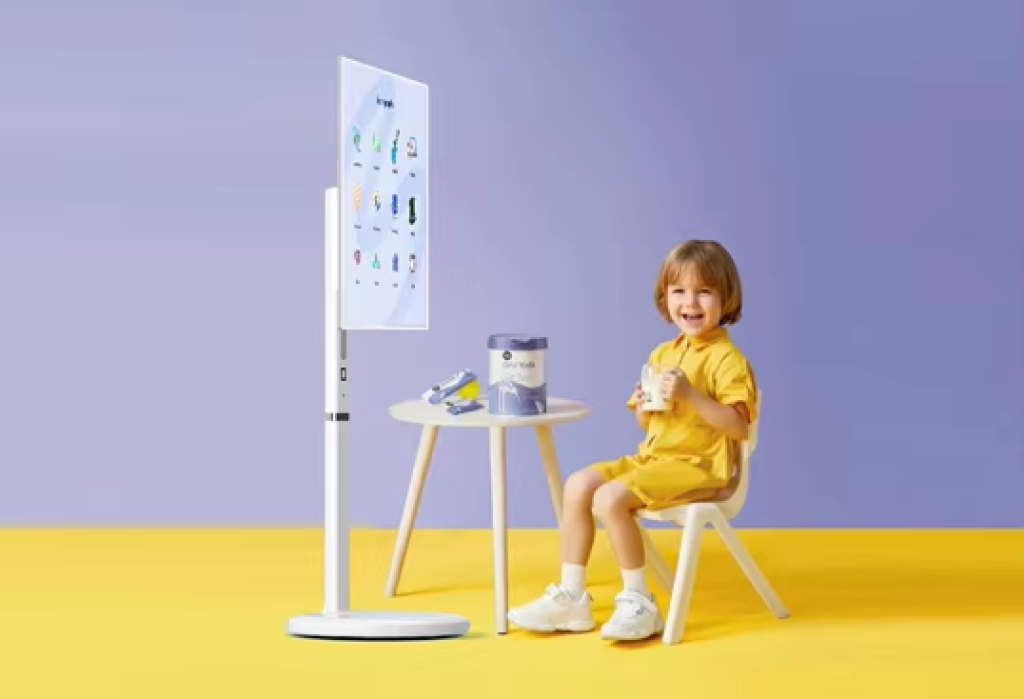
Intuitive Interaction: For many, especially children and seniors, a familiar touchscreen interface is more accessible than a traditional TV remote.
The Competitive Market Landscape
The Portable Smart TV space is becoming increasingly competitive, which drives innovation and variety:
Premium Segment: Companies like LG and Samsung are pushing the boundaries with superior displays, sleek designs, and premium accessories, exploring uses beyond the home.
Mass Market & Ecosystem Players: Tech giants with expertise in screens, speakers, and smart home ecosystems are well-positioned to enter this market. They could leverage existing strengths to create more integrated and affordable options.
The Future with AI: This form factor is a natural platform for AI assistants. The vision of a voice-activated screen that moves to your location aligns with the development of contextual and “embodied” AI in the smart home.

More Than a Screen
The Portable Smart TV is more than just a simple product; it represents an evolution in how we interact with digital content at home. It successfully addresses the modern need for personalized, flexible, and accessible large-screen experiences. While current offerings vary in price and capability, the underlying demand they fulfill suggests this category has significant room to grow and evolve, especially as it converges with trends in smart home intelligence and connectivity.