Fvasee Integrated Display Systems for Smart City Disaster Recovery Operations

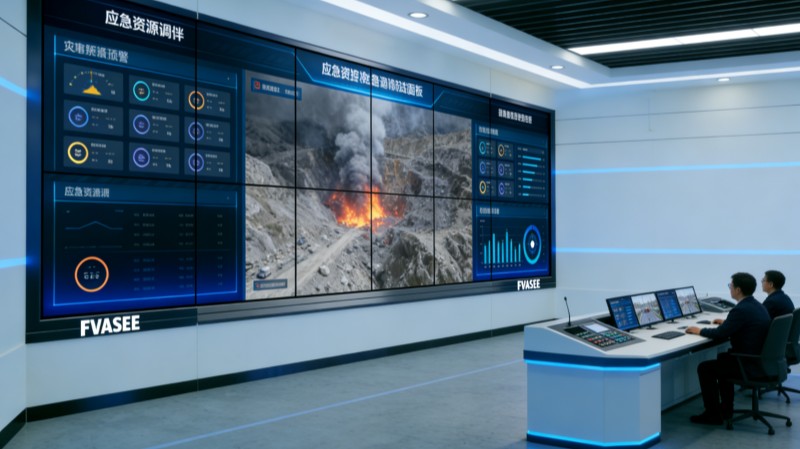
Smart City Disaster Recovery Display Solutions for Emergency Operations
Real-time visualization and coordination tools for urban disaster response and resilience
Introduction
In modern smart cities, disaster recovery and resilience planning are essential for minimizing the impact of natural disasters, extreme weather events, and other emergencies. City authorities need real-time information and effective coordination to respond quickly and safeguard citizens.
Disaster recovery displays for smart cities provide centralized, large-format visualization platforms that consolidate data from multiple sources — including emergency alerts, weather systems, and city infrastructure — to support rapid decision-making and coordinated response.
FVASEE disaster recovery display solutions deliver professional-grade reliability, scalable deployment, and continuous operation for city command centers and emergency operations.
Why Disaster Recovery Displays Are Critical
Real-Time Situational Awareness
Disaster recovery operations require constant visibility of evolving conditions, including:
Storm and flood alerts
Earthquake monitoring data
Critical infrastructure status (power, water, transport)
Emergency service deployments
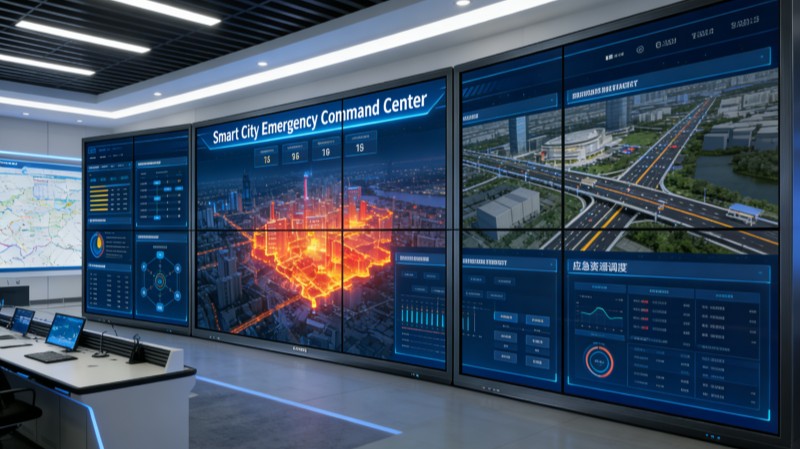
Large-format displays allow operators to visualize all these data streams simultaneously for faster assessment and response.
Coordinating Multi-Agency Response
Disaster response involves multiple municipal agencies, emergency services, and external partners. Centralized displays ensure that all stakeholders see the same real-time information, improving coordination and reducing response time.
Supporting Data-Driven Decision Making
Disaster recovery relies on predictive analytics, hazard modeling, and historical data to plan operations. Displays visualize these insights clearly, enabling city operators to make informed, proactive decisions.
Key Features of Disaster Recovery Displays
High-Resolution Visualization
Displays present critical details with clarity — including maps, sensor data, and live camera feeds — allowing operators to detect issues quickly and take appropriate action.
Scalable and Flexible Layouts
Displays can be configured as:
Multi-panel video walls for command centers
Modular setups for temporary recovery sites
Multi-zone layouts to monitor city-wide operations simultaneously
This flexibility supports both permanent and emergency deployments.
Continuous 24/7 Operation
Disaster recovery operations are time-sensitive and require round-the-clock monitoring. FVASEE displays are engineered for continuous operation with minimal downtime and consistent performance.
Integration with Emergency Management Systems
Disaster recovery displays integrate with:
Emergency notification platforms
GIS and mapping tools
Weather and environmental sensors
Public alert systems
Ensuring real-time, coordinated, and actionable visualization of all critical information.
Typical Applications in Smart City Disaster Recovery
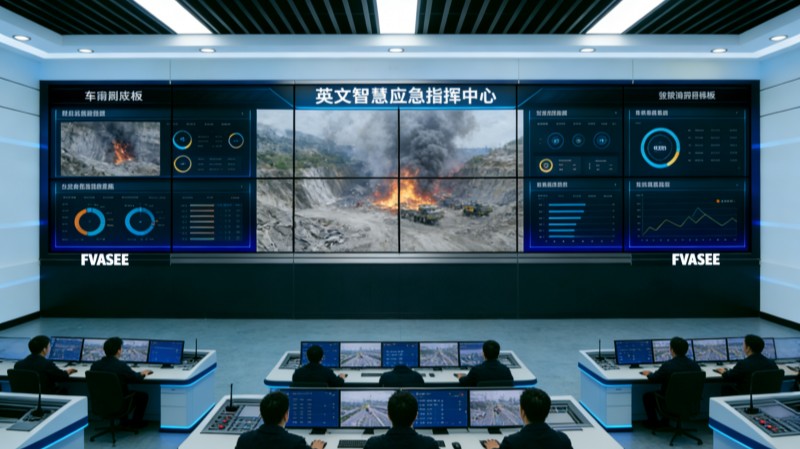
City Emergency Operations Centers
Monitor disasters, coordinate emergency response teams, and track the status of city infrastructure in real time.
Flood and Storm Response Centers
Visualize water levels, rainfall data, and affected areas to prioritize interventions.
Earthquake and Seismic Monitoring Facilities
Integrate seismic data and infrastructure status to support immediate response actions.
Temporary Disaster Recovery Command Sites
Deploy modular display systems to temporary field centers for on-site coordination during disaster events.
Disaster recovery displays are a cornerstone of resilient smart city operations. By providing real-time visualization, multi-agency coordination, and reliable performance, these displays enable cities to respond effectively to emergencies and mitigate risks.
With scalable architecture, high-resolution visuals, and secure integration, FVASEE disaster recovery display solutions empower cities to enhance urban resilience and protect citizens during disasters.